
BY: PHESHEYA KUNENE | EDITOR
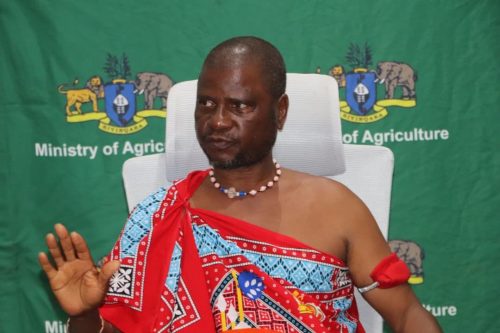
MBABANE – The Ministry of Agriculture is urging farmers to switch to drought-tolerant crops and early-maturing seed as Eswatini prepares for a difficult 2026/27 planting season.
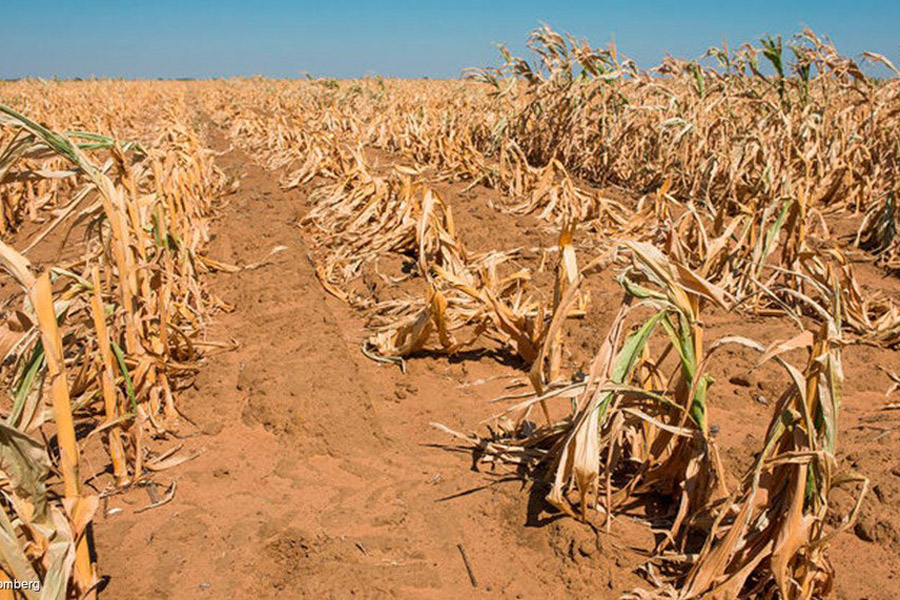
The Ministry has issued revised seasonal guidance after forecasts of below-normal rainfall and high temperatures. These conditions could reduce soil moisture, disrupt crop establishment and strain livestock feed and water supplies.
Government is not telling farmers to abandon their fields. It is telling them to change how they farm.
The Ministry recommends drought-tolerant crops such as sorghum, cowpeas and groundnuts, alongside suitable root and tuber crops. It advises farmers to use certified seed and to favour early- to medium-maturing varieties. It also advises them to diversify rather than put an entire season’s investment into one crop.
The official message is: “Plant early. Plant tolerant. Plant diverse. Conserve water. Protect livestock.”
DON’T PLANT JUST BECAUSE IT RAINED
Planting early does not mean planting after the first shower. Farmers are advised to wait for effective rainfall that leaves enough moisture in the soil for seeds to germinate and establish.
Seed, fertiliser, tractor hire and labour are already costly. If farmers plant into dry soil and a long dry spell follows, they may have to replant or lose their investment entirely.
Timing cuts both ways. Plant too early and seedlings may be stranded by a dry spell. Plant too late and the crop may run out of moisture before it matures. Extension officials are urging farmers to have fields and inputs ready so they can act on the first effective rains.
The National Disaster Risk Management Authority (NDRMA) has echoed the call. NDRMA Chief Executive Officer Victor Lusekwane Mahlalela spoke at an Impact-Based Forecasting media engagement in Ezulwini this week. He said farmers should keep farming despite the El Niño threat, but not blindly. He urged them to consult extension officers on what to plant, when to plant it and which varieties suit their areas.
The Eswatini Meteorological Service has also stressed that forecasts can inform decisions but cannot make them for individual farmers.
CHOOSE SEED FOR THE SEASON
Specialists at Malkerns Research Station advise farmers to prepare early, secure water, conserve soil moisture and select certified, climate-smart varieties. Farmers who usually choose seed mainly for its yield potential may need to give more weight this year to how quickly it matures and how well it tolerates moisture stress. The Ministry also encourages intercropping and staggered planting.
Agriculture Minister Mandla Tshawuka has maintained that El Niño should trigger preparation, not paralysis. Government has committed substantial resources to subsidised inputs. The challenge is making sure that seed and fertiliser are planted under conditions that give farmers the best chance of a harvest.
KNOWING IS NOT AFFORDING
Farmers are not new to adaptation. A recent Eswatini study found that 68.6% of surveyed households used drought-tolerant crops and 73.9% changed their planting dates. However, they cited high costs, limited credit and inadequate extension support as barriers.
The Eswatini National Agricultural Union (ESNAU) argues that climate resilience cannot rest on farmers alone. ESNAU Chief Executive Officer Tammy Dlamini has previously called for support across the whole value chain. That includes seed suited to local conditions, technical support, post-harvest handling and reliable markets. Dlamini has also warned that imported seed does not always perform well under Eswatini conditions.
That argument matters more in a drought-risk season. Certified drought-tolerant seed must be available and affordable. So must irrigation, water harvesting and supplementary feed. For many smallholders, the cost of preparing for drought is itself a risk.
THE LAST BIG DROUGHT WAS BRUTAL
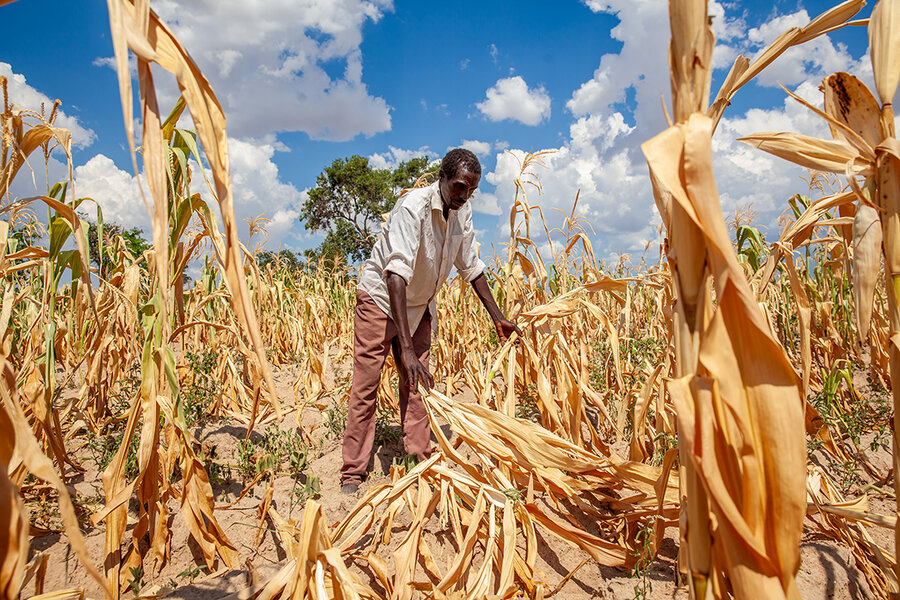
Eswatini has been here before. The 2015/16 El Niño drought was the country’s worst in more than three decades.
Maize production fell to about 33,460 tonnes. Over the previous four years, the annual average had been more than 85,000 tonnes. During parts of 2016, about 260,000 rural people needed urgent food assistance.
World Bank assessments put cattle deaths at more than 80,000, roughly a tenth of the national herd. Cotton production collapsed and vegetable production suffered. Maize imports rose while regional shortages pushed prices up. The drought ultimately cost government about 19% of annual expenditure and more than 7% of GDP.
LIVESTOCK: ACT BEFORE CONDITION DROPS
Livestock farmers are advised to build feed reserves before their animals lose condition. That means conserving hay and silage and making good use of crop residues. If grazing deteriorates, pregnant, lactating, young and weak animals should get priority.
Farmers should also assess herd sizes early. It may be wiser to sell unproductive animals while they are still in reasonable condition. Keeping them through a feed shortage drains resources from breeding stock and lowers their market value. Water, vaccination and parasite control remain priorities.
SAVE WATER IN THE SOIL
For crop farmers, the fight against drought begins beneath their feet. The Ministry encourages mulching, keeping crop residues on the field, minimising soil disturbance and using water-harvesting structures.
Early weed control also matters. In a dry season, weeds compete for water the farmer cannot replace.
A DIFFERENT KIND OF SEASON
A below-normal forecast does not mean every farm will fail, nor that no rain will fall. What has changed is the level of risk.
The question is no longer simply whether to plant. It is whether to plant the same crop, at the same time, with the same seed and methods as in a normal year. The Ministry’s answer is clear: no.
The rain remains beyond farmers’ control. The crop they choose, the seed they plant, the moisture they conserve and the timing of that decision do not.