

BY: SIBUSISO MNGADI
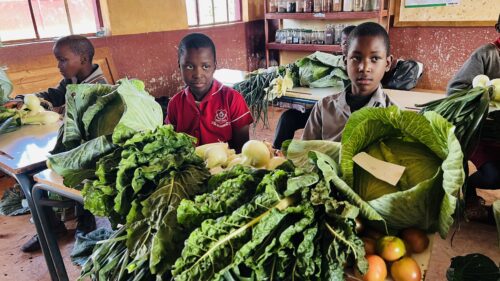
EZULWINI – For generations, imbuya, ligusha, umsobo, chuchuza, likhovu and other traditional vegetables have grown in Eswatini’s fields and found their way into family cooking pots.
In the space of two weeks, they have been pointed at two very different destinations: the supermarket shelf and the restaurant plate.
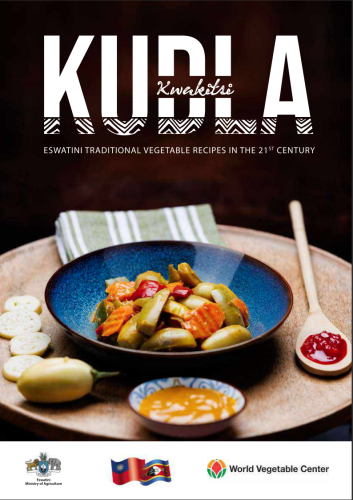
Today, 30 September 2026, the Taiwan–Africa Vegetable Initiative (TAVI) Phase II officially launches the second edition of the Kudla Kwakitsi recipe book at Royal Villas in Ezulwini. The book targets hotels, lodges, restaurants and caterers, and it arrives just 12 days after the same programme began placing professionally packaged imbuya, pumpkin leaves (umbhidvo wetintsanga) and okra (mandwandwe) in selected supermarkets.
Read separately, each is a promotional event. Read together, they reveal a strategy: open two commercial channels at once, retail and food service, and give farmers more than one reason to grow.
The initiative is implemented by the World Vegetable Center (WorldVeg) in collaboration with the Ministry of Agriculture and the Ministry of Education and Training, with support from the Government of the Republic of China (Taiwan). Its broader goals are to strengthen food and nutrition security, improve smallholder incomes and promote climate-resilient vegetable production through Traditional African Vegetables (TAVs).
A E12.2 million opportunity waiting for a supply chain
The commercial case is no longer theoretical.
TAVI market assessments presented this year put the combined annual market for three priority vegetables at more than E12.2 million. Pumpkin leaves account for an estimated 254,160kg worth about E7.6 million, amaranth 133,200kg worth about E4 million, and okra 18,960kg worth roughly E570,000.
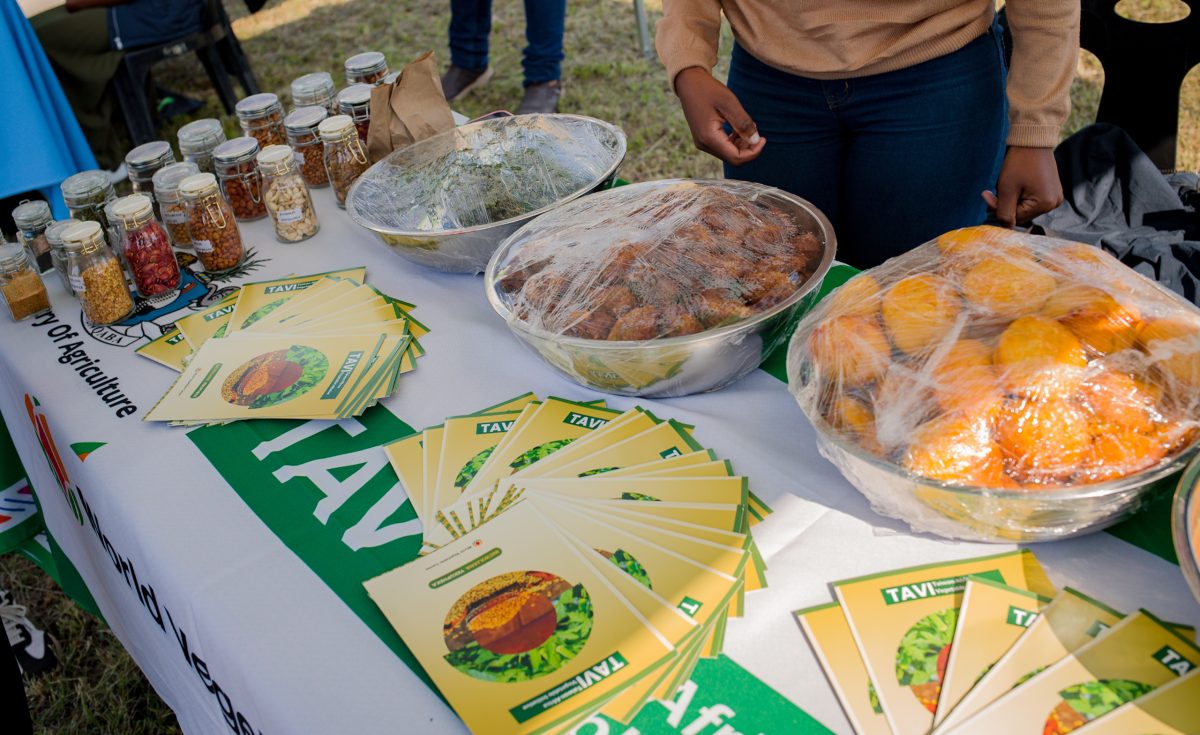
The retail rollout, launched at Happy Valley Hotel, began with 10 outlets, including SPAR and Boxer stores, Save More Mpaka and Thubelihle Store in Nhlangano. Shelves are being supported by food tastings, educational material and recipe cards to show shoppers what to do with the vegetables.
Kudla Kwakitsi now extends that logic to the hospitality sector.
Why the kitchen matters as much as the shelf
The first edition of Kudla Kwakitsi focused on encouraging EmaSwati to rediscover traditional vegetables at home. The second edition targets commercial kitchens, where TAVI says the vegetables remain underrepresented despite their culinary potential.
That distinction matters. A household that occasionally cooks imbuya creates occasional demand. A hotel, lodge or caterer that puts it on a permanent menu creates recurring demand, and with it the need for reliable quantities, consistent quality, predictable deliveries and formal supply agreements.
The groundwork is already visible. At the September retail launch, Siphindzile Ndzinisa, founder of Kudla Kwesintfu Restaurant, said her business had received recipe training through the programme, and her kitchen prepared the traditional dishes served on the day. Restaurants, in other words, are not a future idea. They are already a test market.
For farmers, the retail and hospitality channels complement each other. Supermarkets sell the vegetable raw to households. Restaurants buy it as an ingredient and sell it back to consumers as a meal. Two buyers for the same crop make production planning less risky than one.
45 recipes that challenge the idea of “old-fashioned” food
The book itself makes a persuasive case for what these crops can become.
Kudla Kwakitsi contains 45 recipes, each serving four, built around 14 Traditional African Vegetables: amaranth, jute mallow, black jack, African nightshade, African eggplant, mung bean, cowpea, cassava leaves, bean leaves, sweet potato leaves, tomato, Ethiopian mustard, pumpkin leaves and okra.
It goes well beyond boiled greens beside porridge. There is an African eggplant stir-fry with carrots, peppers, garlic, ginger, herbs and mustard sauce; black jack with mince; and, perhaps most surprising, an okra and eggplant pizza. There are fritters, vegetable balls, an okra and eggplant omelette and pumpkin soup.
The book also moves into value-added products: African nightshade juice, tomato juice, and jams made from African nightshade, cherry tomato and pumpkin. For bakers, there are amaranth seed cake, pumpkin cake and pumpkin muffins.
For a chef, that is a menu. For an agroprocessor, some of it is a product line.
Before the recipes, the book covers food safety and hygiene, nutrient retention, cooking methods, nutritional information and metric conversions. That makes it useful to culinary students, schools and caterers, not only households.
Fighting the “poor man’s food” label
Both launches confront the same obstacle: perception.
The book acknowledges that TAVs have at times been dismissed as weeds or as “poor man’s food”, despite being well adapted to local conditions and relatively cheap to produce. WorldVeg has spent years working against that image. In 2024 alone, its three TAVI mobile kitchens reached more than 40,000 people, with wider public engagement reaching over 120,000.
A packaged bunch of imbuya on a SPAR shelf and a professionally plated ligusha dish in a hotel dining room send the same signal: this is food worth paying for.
The book also records each vegetable by its scientific, common and siSwati name, from likhovu for Ethiopian mustard and ligusha for jute mallow to umsobo for African nightshade, macanjana for African eggplant and chuchuza for black jack. It preserves food language while positioning that heritage for a modern market.
The real test: can supply keep up with demand?
This is where the analysis must turn from optimism to discipline.
At the retail launch, retailers were clear: they want a proper supply system that keeps shelves stocked with fresh produce. Farmers, for their part, proposed pack houses closer to production areas where produce from several growers could be aggregated, sorted and dispatched.
Adding hospitality buyers raises the stakes. A supermarket that runs out of imbuya disappoints a shopper. A hotel that builds a signature dish around it and cannot source it will simply take the dish off the menu, and may not put it back.
Demand is being created on two fronts at once. If supply fails on either, the project risks losing the very market it has worked to build. That will require coordinated planting rather than every farmer growing the same crop at the same time, fast post-harvest handling, reliable transport, and farmers who know what the market needs before they plant.
The production base gives some grounds for confidence. During TAVI’s earlier phase, more than 5,000 farmers were trained and 103 champion farmers, 68 of them women, supplied eight pilot schools. By January 2023, they had sold 2,026kg of leafy vegetables at E30/kg, earning E60,780.
That proved farmers could grow and sell. The difference now is scale. The supermarket and the hotel kitchen are far less forgiving customers than a pilot school.
When culture becomes a market
Eswatini does not have to choose between traditional food and modern cuisine. It can modernise how these vegetables are presented without stripping them of identity, promote healthier diets, and build markets for locally grown crops, all at once.
At the September launch, speaking on behalf of the Minister of Agriculture, Hon. Mandla Tshawuka, Nikiwe Dlamini said traditional vegetables such as imbuya and mandwandwe hold untapped potential to showcase Eswatini’s flavours, culture and food heritage.
The pieces are now in place: a measured market, a retail channel, a hospitality channel and a recipe book to drive demand in both.
What remains is the least glamorous and most important part: the supply chain between the farmer and the buyer.
Behind every well-plated bowl of ligusha, every African eggplant pizza and every packet of imbuya on a supermarket shelf is a crop someone must plant, harvest and deliver on time.
If TAVI can make that work, Kudla Kwakitsi will have done more than change what Eswatini wants to eat. It will have changed what Eswatini’s farmers can profitably grow.