
BY: PHESHEYA KUNENE | EDITOR
NOKWANE — Farmers have room to produce more vegetables for export, particularly green beans, chilli, sugar snap peas and selected patty pans, according to the latest National Agricultural Marketing Board (NAMBoard) planting data.
NAMBoard’s Area Planted Report, based on Eswatini Horticulture Information System (EHIS) records up to 31 August 2026, shows that several crops intended for export remain well below estimated demand.
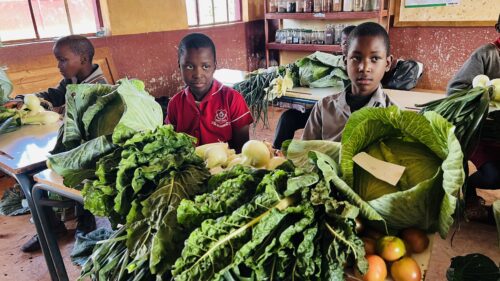
During Agribusiness Media’s visit to the Encabeni Fresh Produce Market, NAMBoard’s Sydney Dladla encouraged farmers to take advantage of opportunities in export vegetables, including green beans, baby marrow and chilli.
However, he advised farmers to first consult extension officers and their intended markets before planting. The message is important: a crop having export potential does not automatically guarantee a farmer a buyer.
GREEN BEANS, CHILLI HAVE ROOM TO GROW
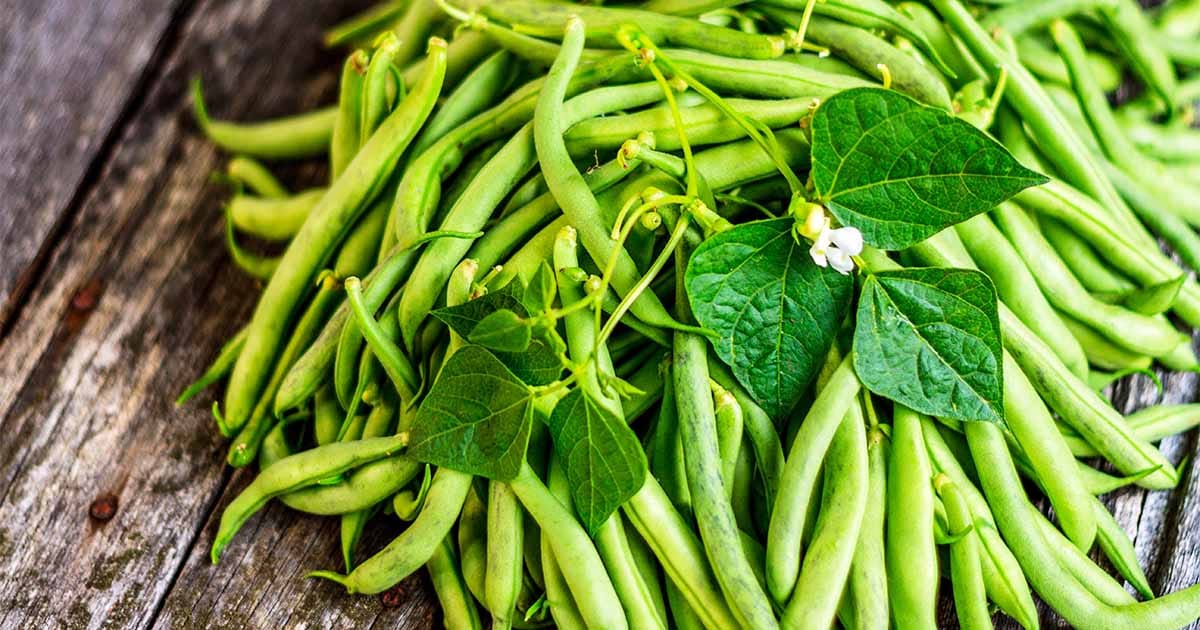
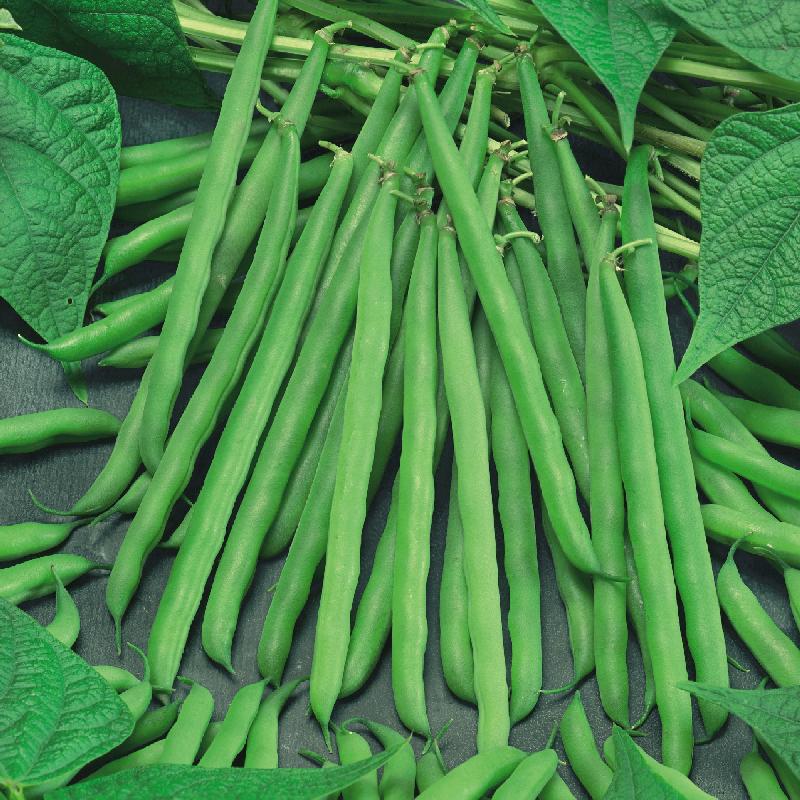
Green beans show one of the clearest opportunities.
NAMBoard estimates monthly export planting demand at 4.17 hectares, against only 1.42 hectares planted in August, equivalent to 34%.
Chilli reached 50% of estimated demand, with 0.18 hectares planted against 0.36 hectares required.
Sugar snap peas were at only 5%, with 0.02 hectares planted against estimated demand of 0.42 hectares.
No August planting was recorded for mange tout peas, yellow patty pans or green patty pans, while red cabbage reached only 28% of estimated export demand.
Overall, August plantings for crops in NAMBoard’s export category stood at 5.15 hectares against estimated demand of 10.47 hectares.
BABY MARROW NEEDS MORE CAUTION
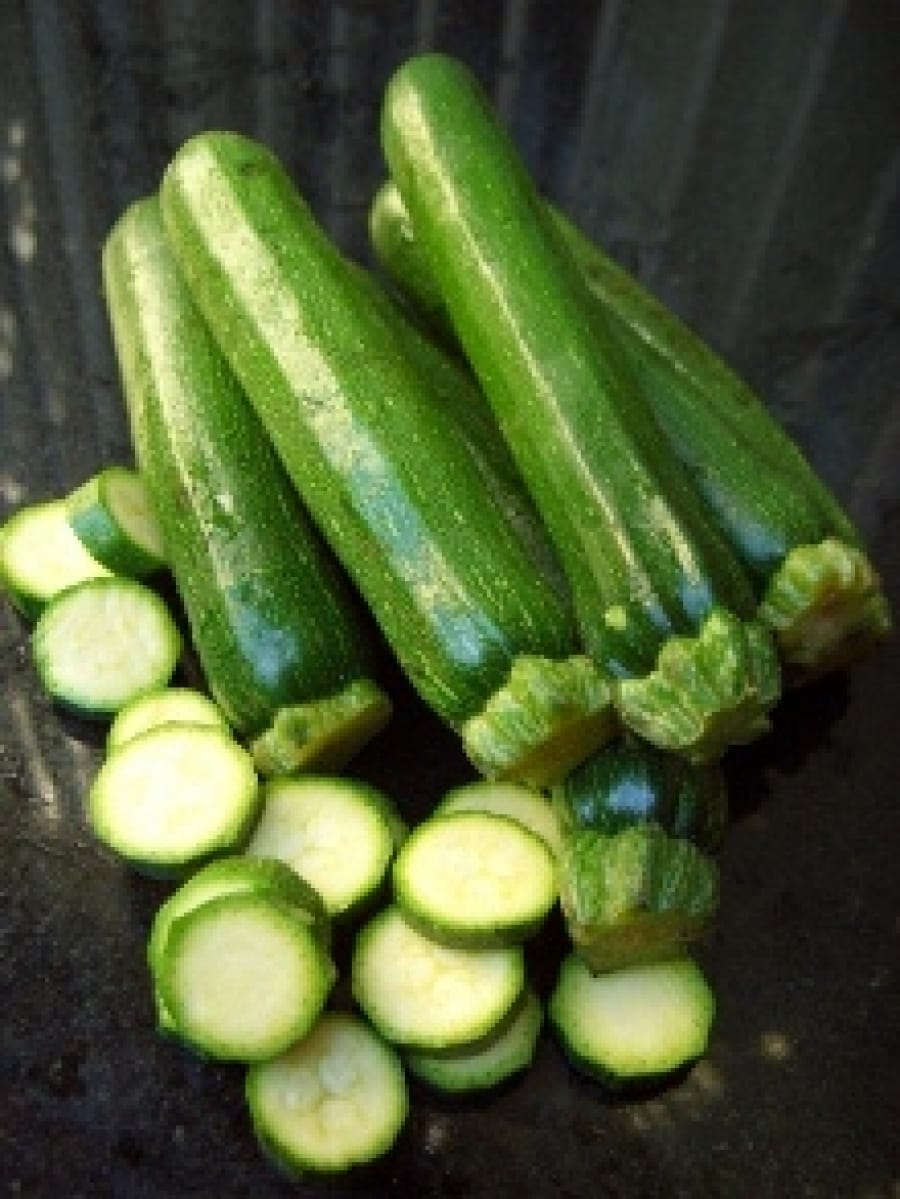
Not every export crop presents the same opportunity.
Baby marrow reached 81% of estimated demand, with 3.25 hectares planted against a requirement of 4 hectares. Baby corn was already at 84%, with 0.21 hectares planted against 0.25 hectares required.
NAMBoard therefore advises that planting of these crops can continue, but with caution.
The distinction matters. Farmers who see an export opportunity and all plant the same crop could quickly turn a shortage into an oversupply.
EXPORT CROPS ARE ALREADY GENERATING BUSINESS
The export opportunity is not theoretical. NAMBoard has previously facilitated commercial production and marketing of crops such as green beans, baby marrow, baby corn and patty pans.
Dladla has previously estimated potential production from these crops at around 725 tonnes worth more than E12 million without GlobalG.A.P. certification, increasing to about 1450 tonnes worth E45.6 million with GlobalG.A.P. certification, according to the Eswatini Observer.
FAO-supported horticulture initiatives in the country have also included high-value crops such as green beans, baby marrow, peas and patty pans.
For farmers, however, export production requires more than simply choosing the right crop. Buyers may specify the variety, size, quality, harvesting schedule, pesticide use, traceability, packaging and certification required.
ASK THE MARKET BEFORE YOU PLANT
The same EHIS report demonstrates what happens when production and demand move in opposite directions.
While export crops remain under-planted, local butternut plantings reached 311% of estimated monthly demand and tomatoes reached 145%. Meanwhile, onions were at only 6%, carrots at 15% and potatoes recorded no August planting against estimated monthly demand of 35.20 hectares.
NAMBoard itself cautions that its planting report is intended to guide farmers and does not guarantee a market for produce that has not been contracted or formally programmed.
That leaves farmers with a straightforward lesson.
Before buying seed, establish what buyers need, speak to extension officers, understand the required quality and confirm where the crop will be sold.
For farmers considering export vegetables, the order matters: find the market, understand the standard, then plant.