
BY: PHESHEYA KUNENE | EDITOR
MANZINI— Eswatini’s grain farmers are entering the 2026/27 planting season with an uncomfortable question: if the rains come, how long will they last?
A new agricultural advisory, following forecasts of reduced rainfall linked to El Niño conditions, has warned that the country’s planting window could be short.
The Ministry of Agriculture is advising maize farmers to prepare fields early, conserve soil moisture and use medium to early maturing varieties.
The concern is particularly acute for rainfed maize and bean producers. FAO’s latest Eswatini assessment warns that El Niño increases the likelihood of drier than average conditions during the 2026/27 cropping season and says prolonged dry weather would pose a significant risk to cereal production in 2027.
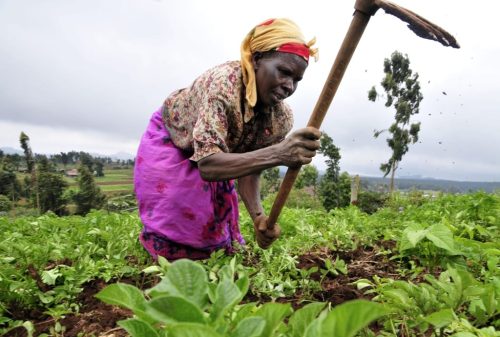
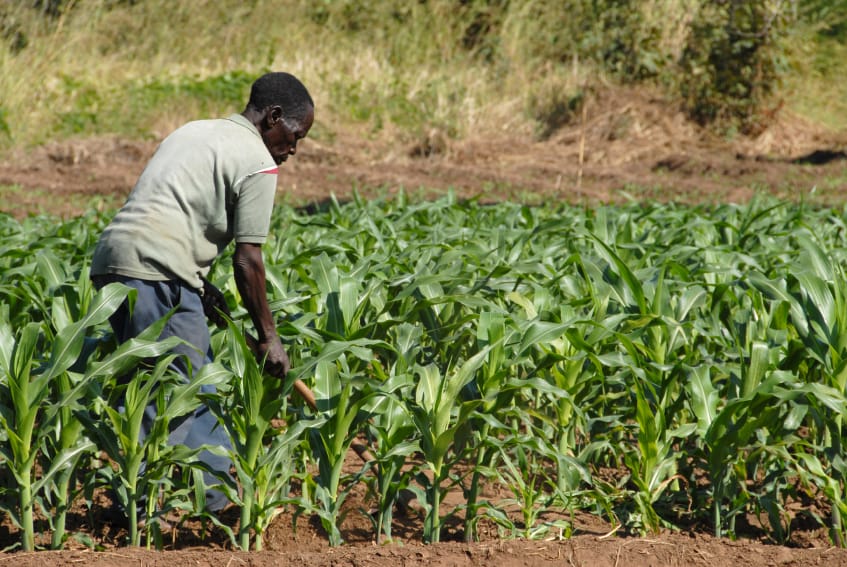
For farmers such as Ngangelive Gule and Robert Nhlengetfwa, a grain farmer from Mpuluzi, the warning raises practical questions around when to plant and how to protect crops if rainfall stops during critical stages of development.
Their concern reflects the dilemma facing many growers: planting too early without sufficient soil moisture can expose seed and young crops to failure, while planting too late could leave maize vulnerable if the rainy season ends early.
ESNAU CEO Tammy Dlamini, speaking on behalf of farmers, said growers need clear and practical information that enables them to translate seasonal forecasts into decisions on planting dates, crop varieties, inputs and water management.
OCTOBER WINDOW UNDER PRESSURE
The Ministry’s advisory describes the maize planting window as short and identifies October as critical. It advises farmers to rip fields to improve water infiltration and retention, minimise soil disturbance, maintain soil cover and plant medium to early varieties once adequate moisture is available.
Vegetable farmers are being encouraged to harvest rainwater, use drip irrigation and mulch, strengthen soils with well decomposed organic matter, stagger planting dates and consider drought tolerant crops. The Ministry also warns that pest pressure could increase and recommends regular scouting and integrated pest management.
For roots and tubers, farmers are advised to plant early when sufficient moisture is available, use early maturing varieties and construct tied ridges to improve water harvesting.
Extension officers are expected to provide farmers with technical guidance on adaptation measures.
ANOTHER BAD SEASON WOULD HURT
The warning comes when Eswatini can ill afford another weak grain harvest.
FAO estimates that the 2026 maize harvest fell to about 70 000 tonnes, around 6% below the previous year and below average, after irregular rainfall affected yields. FAO expects maize import requirements to rise as a result.
The country’s underlying grain deficit is already substantial. FAO’s Hand in Hand investment programme estimates annual maize demand at about 140 000 tonnes, against domestic supply of roughly 75 000 tonnes. It also estimates annual demand for legumes at 4200 tonnes compared with local production of only 924 tonnes.
A significant drought during the coming growing season could therefore do more than reduce individual farm yields. It could widen Eswatini’s dependence on imported grain and squeeze incomes in rural communities.
There is recent precedent. FAO estimates that the El Niño induced drought of 2024 reduced maize production by about 25% compared with the five year average, largely through lower yields.
FARMERS NEED MORE THAN A FORECAST
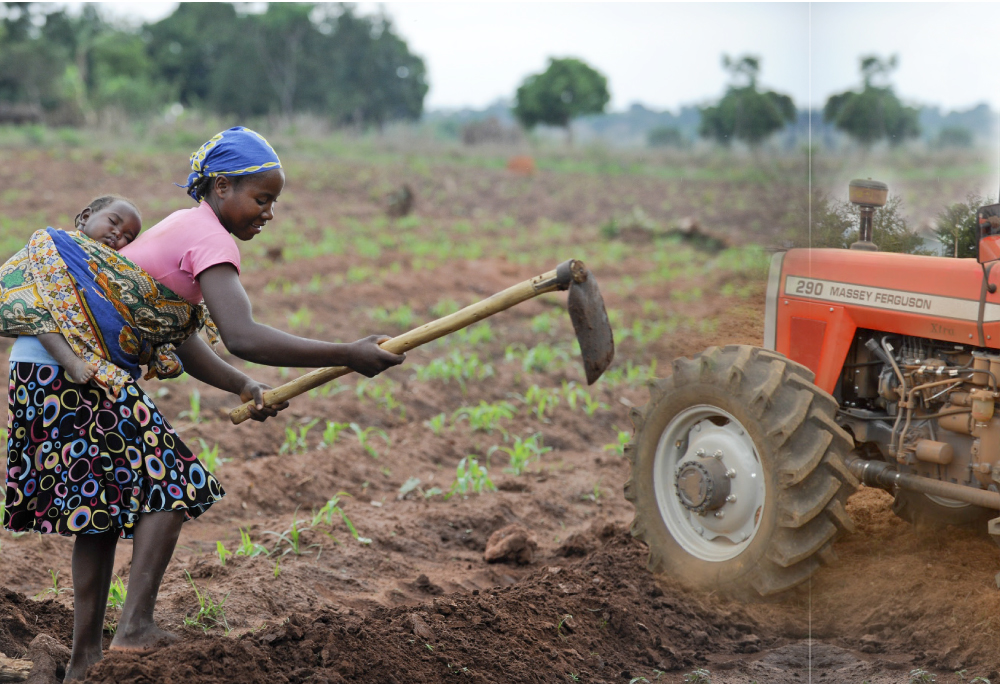
The Ministry’s advice points farmers in the right direction, but implementation will determine how much production can be protected.
For grain farmers, that means preparing land now, monitoring forecasts closely, retaining moisture in the soil and avoiding the temptation to plant simply because the first rains have fallen.
Eswatini has also been strengthening its longer term drought response. In May, the Ministry of Agriculture and FAO validated the National Drought Plan 2030, designed to shift the country towards better drought preparedness and resilience.
For Gule, Nhlengetfwa and thousands of other farmers preparing fields, however, the immediate challenge is much closer.
They need to know when there is enough moisture to plant, which varieties can finish within a shorter season and what to do if the rain disappears after germination.