BY: PHESHEYA KUNENE | EDITOR
MKHONDVO — At 27, Ntsiki Manyatsi is discovering that the difference between growing vegetables and running a vegetable business can come down to one question: who will buy the harvest?
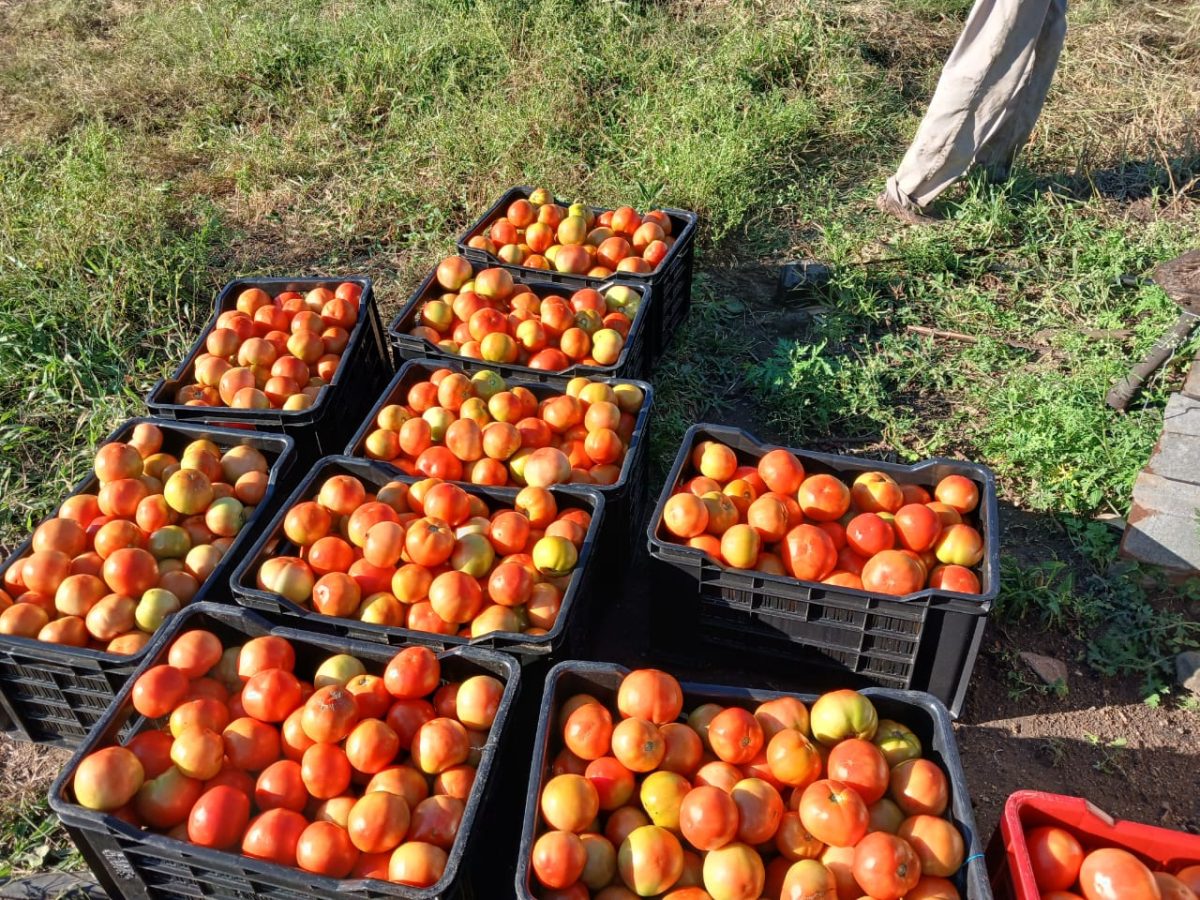
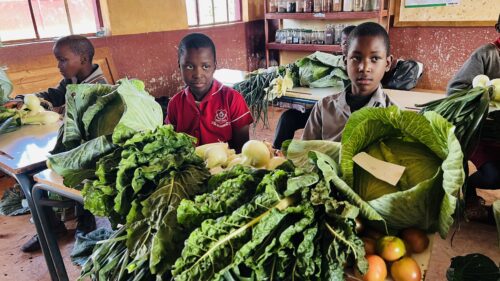
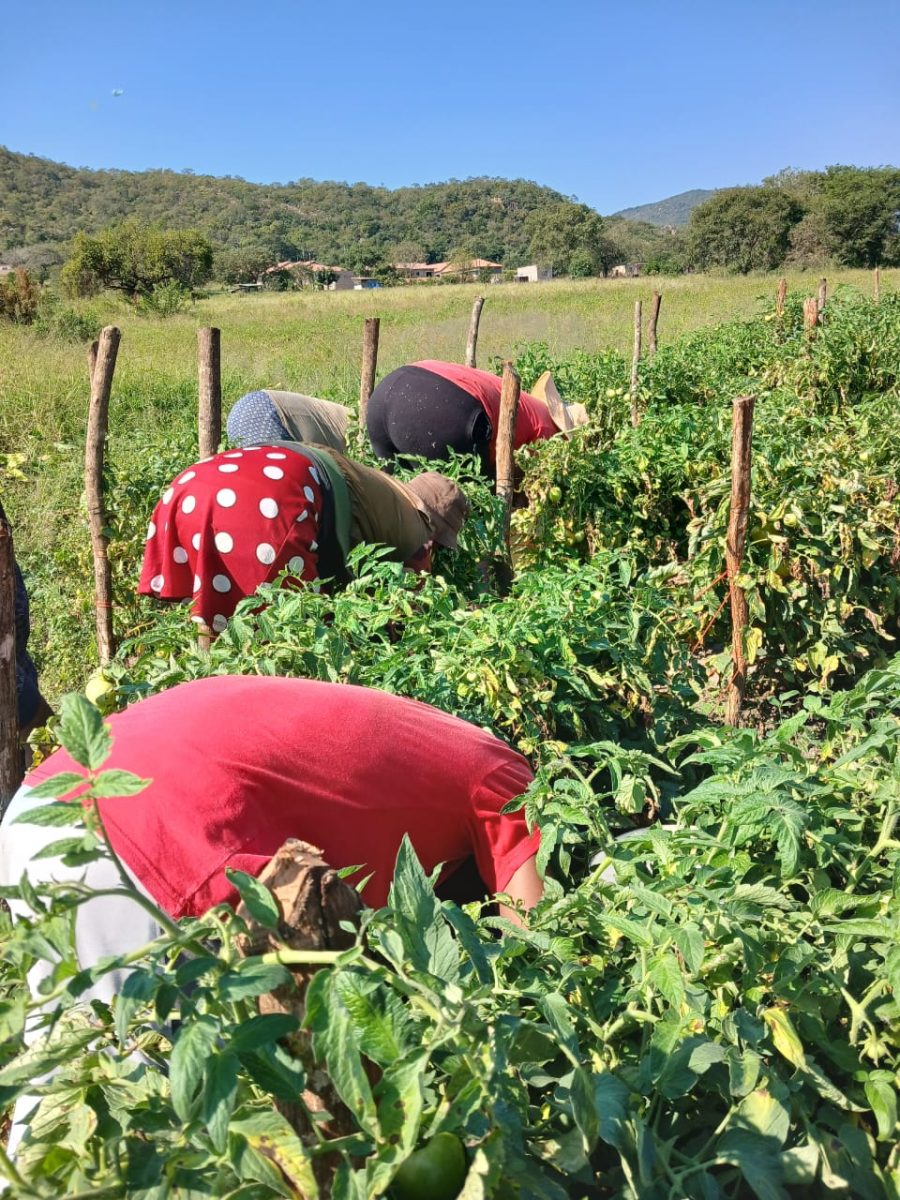
From about 0.5 hectares under production at Mkhondvo, Moti, Manyatsi grows tomatoes, cabbage, butternut, beetroot, spinach and lettuce. Her produce reaches the market through NAMBoard, supermarkets including SPAR and Pick n Pay, as well as vendors.
Her farm is still relatively small, but her experience since starting in 2023 offers practical lessons for farmers trying to move from simply producing vegetables to farming as a business.
FROM FAMILY FOOD TO A FARM BUSINESS
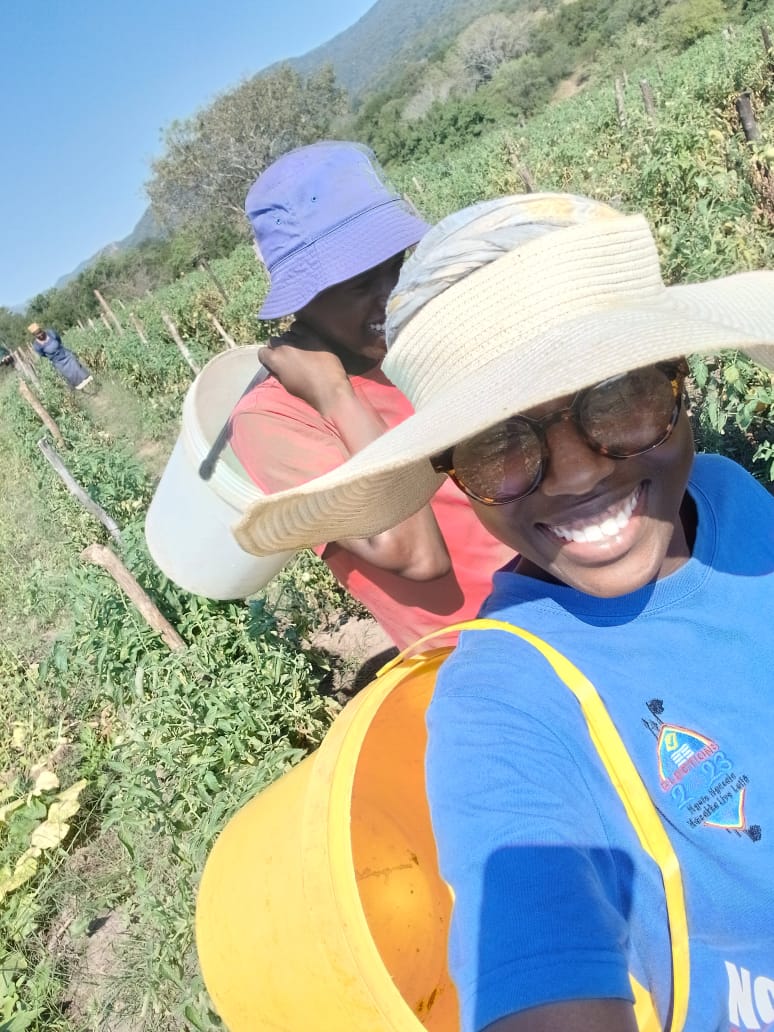
Manyatsi’s entry into agriculture was shaped by her parents’ passion for farming and access to family land stretching towards the Moti River.
What began as subsistence production for the household gradually changed as the family started selling surplus vegetables to neighbours. Demand grew, and Manyatsi began seeing farming as something that could provide both food and income.
Her father’s retirement also brought useful assets to the farm, including a 5000 litre water tank and tractor, while pipes were donated by someone who had noticed the work she was putting into the farm. She also learnt from a neighbour with farming experience who had worked for NAMBoard.
WHY SHE STOPS AT HALF A HECTARE
Having access to land does not mean all of it must be planted immediately.
Manyatsi has about one hectare available but currently works roughly half of it. Her reason is practical: expanding beyond her financial and management capacity could leave her unable to properly irrigate, weed and protect the crops.
She says further expansion would require additional financial support, particularly for crop inputs and irrigation equipment.
It is a useful commercial principle for emerging farmers: plant what you can afford to manage properly, rather than chasing hectares that may become expensive to maintain.
TEST THE SOIL, DON’T GUESS
Before putting money into fertiliser and other inputs, Manyatsi tests her soil.
Testing revealed that some parts of her land were fertile while others were acidic. That knowledge influenced how she applied manure and fertiliser.
“Decision making on crop management is critical as decisions shouldn’t be based on assumptions,” she says.
That approach matters because two sections of the same farm may not necessarily require exactly the same treatment.
SAVE WATER WHERE YOU CAN
Manyatsi has also introduced drip irrigation, allowing her to direct water towards the crop instead of spreading it unnecessarily across the field.
She says the system saves water and can reduce some labour requirements. But she cautions young farmers against buying technology that costs more than the farm can reasonably generate.
Her approach is simple: technology should solve a farming problem and make economic sense.
THE CABBAGE THAT CHANGED HER THINKING
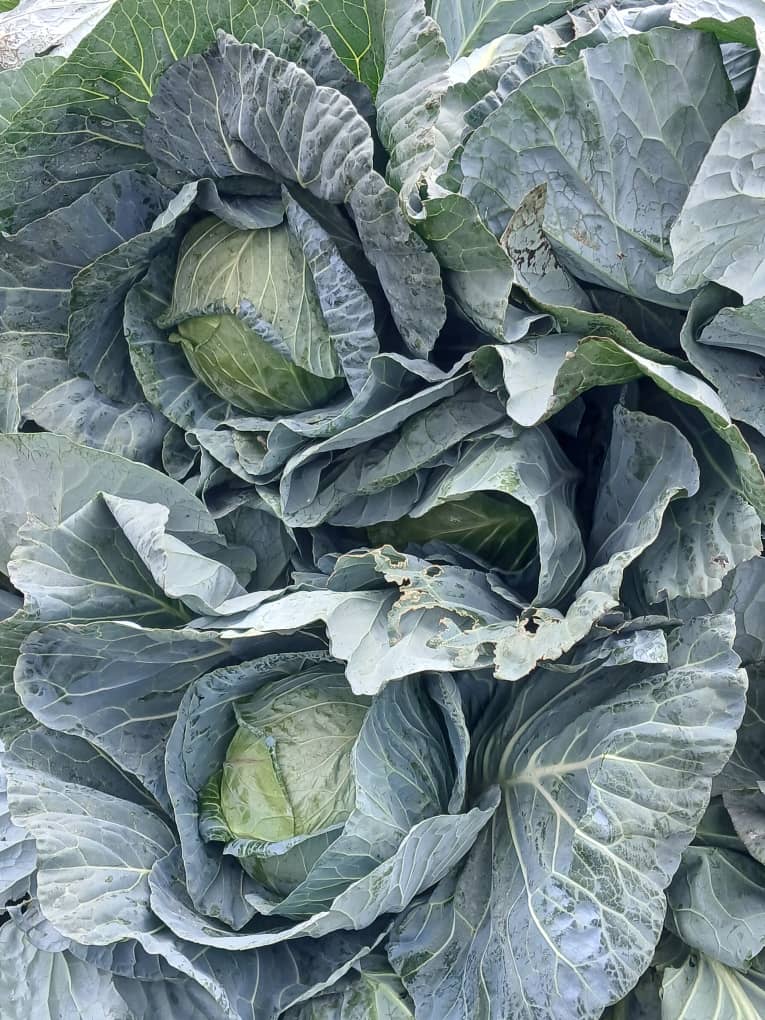
One of Manyatsi’s hardest lessons came after she had successfully produced a crop.
She recalls suffering hail damage in 2024 when her butternut, tomatoes and lettuce were already mature. Another setback followed when insufficient market research left her with cabbage she struggled to sell.
Some of the crop spoiled.
The experience was severe enough for her to consider giving up farming, but she continued. Today, market demand, weather, seasonal conditions and prices influence what she decides to plant.
The lesson is particularly important for vegetable farmers because producing a good crop does not automatically produce a profit.
The market should form part of the planting decision, not become a question asked when the crop is ready for harvest.
GETTING INTO FORMAL MARKETS
Manyatsi says good farming practices, careful crop management and strong customer relationships have helped her access buyers.
Supplying larger customers such as supermarkets also raises expectations. Produce must appeal to customers, while farmers must pay attention to land preparation, soil fertility, irrigation, pest management and harvesting at the correct stage.
Being hands on in the field helps her identify pest problems early, while harvesting on time reduces the risk of produce spoiling before it reaches the customer.
For farmers targeting NAMBoard, supermarkets and other structured markets, her experience demonstrates another important principle: market access must be followed by consistent production and quality if the relationship is to continue.
KNOW WHETHER THE CROP MADE MONEY
Manyatsi also tracks production costs.
She considers expenses such as seeds and fertiliser and compares her costs against prevailing market and competitor prices. Her aim is to ensure the selling price remains above the break even cost.
She reduces costs by producing her own compost and tries to reduce losses by harvesting at the correct maturity and securing reliable buyers or pre orders before crops fully mature.
This shifts the farmer’s question from “How much did I harvest?” to the more important commercial question: “After paying the costs, how much did I actually make?”
FIVE LESSONS FOR THE NEXT YOUNG FARMER
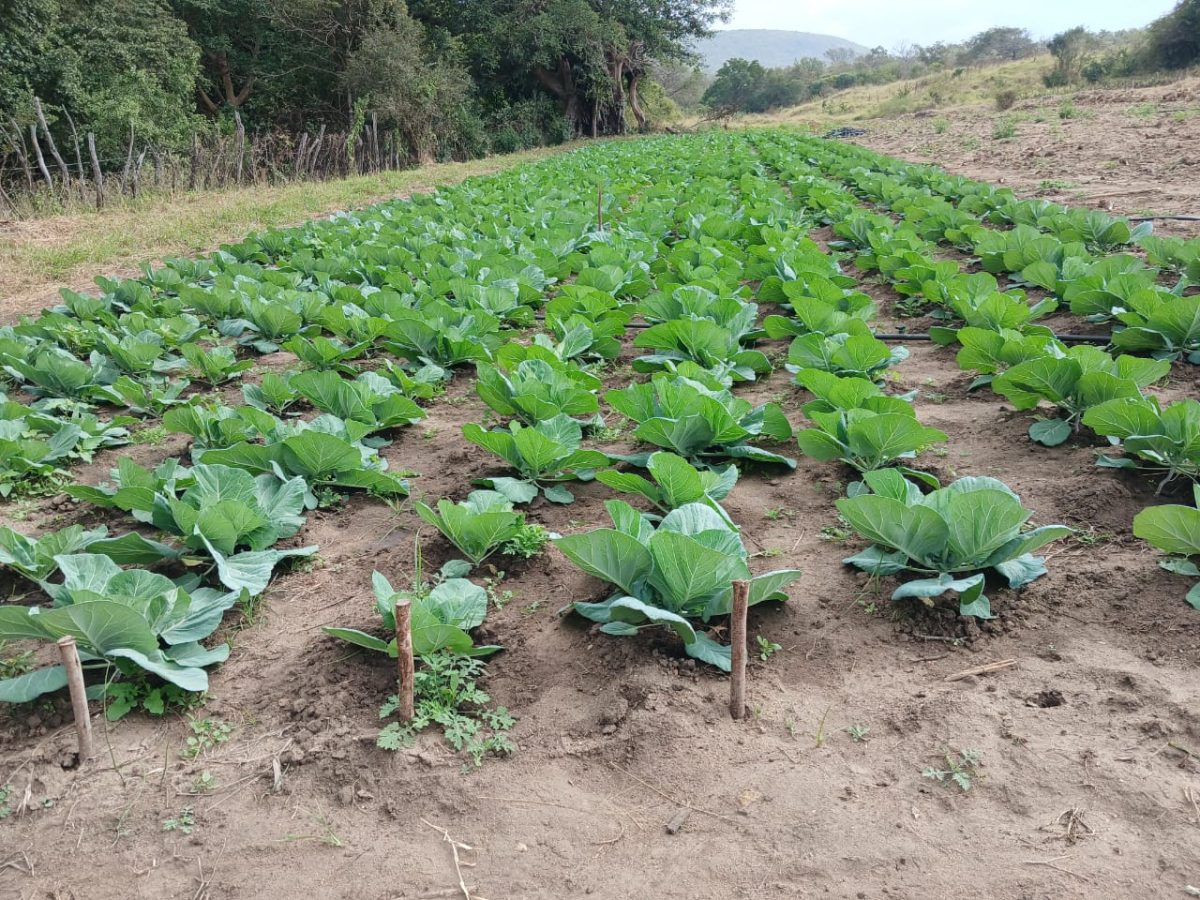
If another young person approached Manyatsi with a small piece of land and ambitions of becoming a commercial vegetable farmer, her advice would begin before the first seed enters the soil.
She identifies five essentials: research the market, test the soil, secure water, have the necessary equipment such as fencing, tanks and pipes, and build agricultural knowledge.
Those five points capture the bigger lesson from her journey.
Manyatsi may be farming only half a hectare today, but she is learning to treat every part of it as a business: know the soil, manage the water, control costs, produce quality and understand the buyer.
For another young farmer wondering whether a small piece of land is enough to begin, her experience provides a useful answer.
Commercial farming does not necessarily start with more hectares. It starts with making the hectares you have work for a market.