

BY: PHESHEYA KUNENE | EDITOR
KAKHOLWANE — Khuba Traders and ButterNice Farms are targeting aspiring and existing farmers in a drive to turn Eswatini’s familiar inkhukhu yemakhaya from a largely household bird into a more structured income generating enterprise.
The two businesses will use a Farmer’s Day at ButterNice Farms in KaKholwane, under Khubuta Inkhundla, on 26 September 2026, to expose farmers to the business of indigenous chicken production, while also providing practical advice for the current farming season.
Khuba Traders says the event will bring farming knowledge and expert advice directly to residents of KaKholwane and surrounding communities, with both new and experienced poultry farmers invited.
The intervention comes as indigenous chicken, commonly known as Makhaya chicken, increasingly presents an opportunity for farmers willing to move beyond traditional backyard production towards planned commercial farming.
FROM HOMESTEAD CHICKEN TO BUSINESS
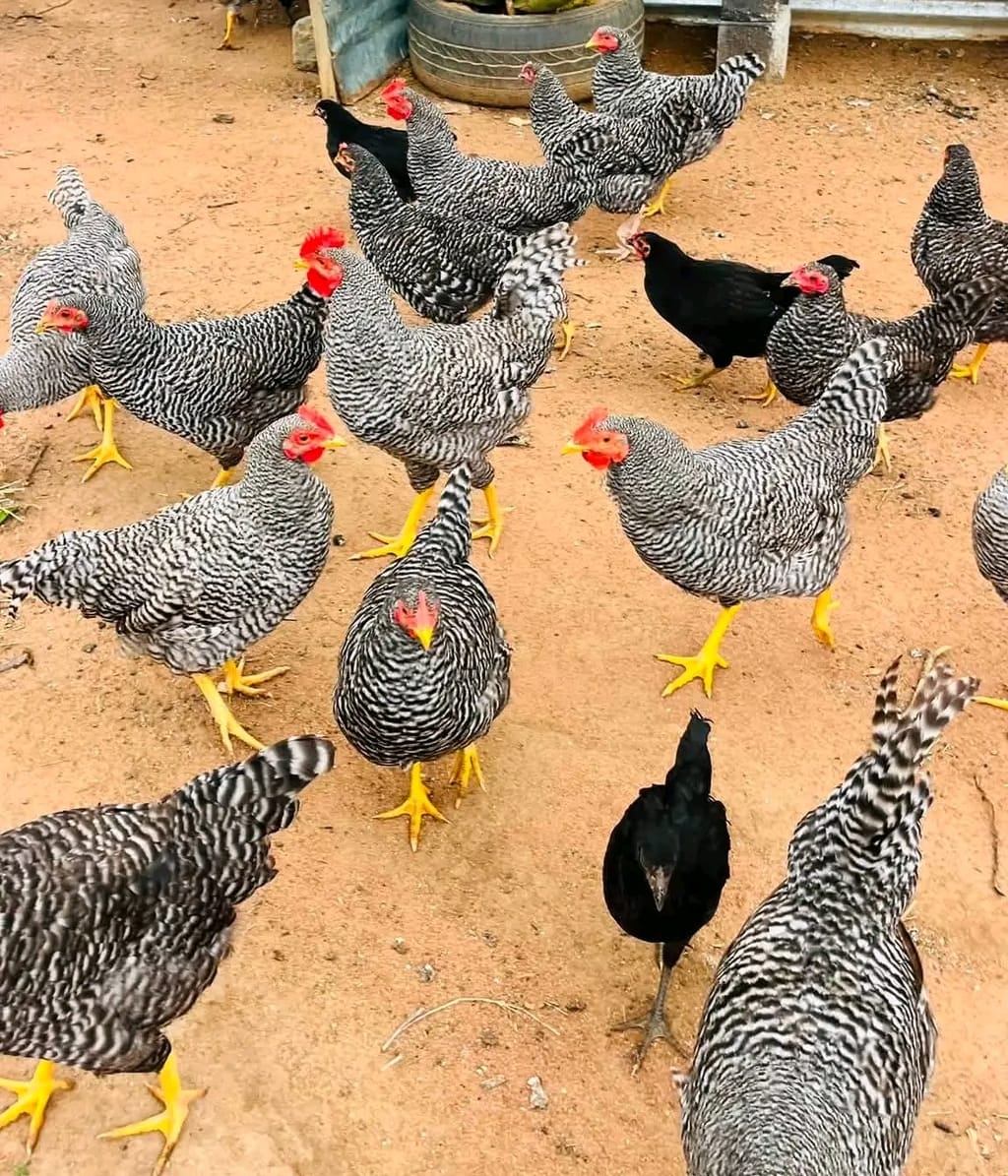
Makhaya chicken is hardly new to Eswatini. What is changing is how the bird is being viewed.
For generations, indigenous chickens have provided households with meat, eggs and occasional cash. Commercialisation requires something different: planned production, feeding, housing, disease control, record keeping and reliable markets.
The Ministry of Agriculture has an indigenous chicken commercialisation programme and provides technical support to farmers through its poultry services. Government information indicates that efforts have included linking indigenous chicken producers with consumers and pursuing markets for dressed chickens through restaurants and supermarkets.
That shift matters because the commercial opportunity does not lie simply in owning chickens. It lies in producing enough birds, at the required quality and at a cost that leaves the farmer with a profit.
BUTTERNICE PROVIDES A WORKING EXAMPLE
ButterNice Farms provides farmers attending the event with a practical example of how indigenous chicken can move from household production towards a structured enterprise.
Founded by Nozizwe Ginindza, the business has developed around Makhaya chickens and other indigenous foods. Agribusiness Media previously reported that ButterNice produces about 500 to 800 Makhaya chickens and works with other farmers to strengthen supply as demand grows.
Its products include live birds, whole and portioned chicken, eggs and other farm produce, with markets extending beyond its immediate production area.
ButterNice’s development is also instructive for prospective farmers because the enterprise did not begin at large commercial scale. Ginindza initially kept chickens for household consumption before demand gradually revealed a business opportunity.
That progression offers a useful lesson: commercial farming does not always have to begin big. It has to begin with a market and a system capable of growing with demand.
STARTER PACKS TO GET FARMERS MOVING
The Farmer’s Day will go beyond presentations.
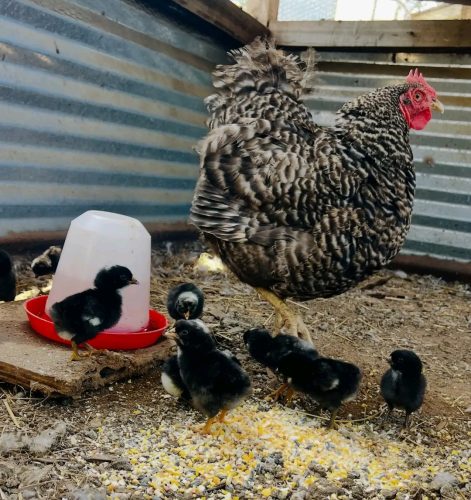
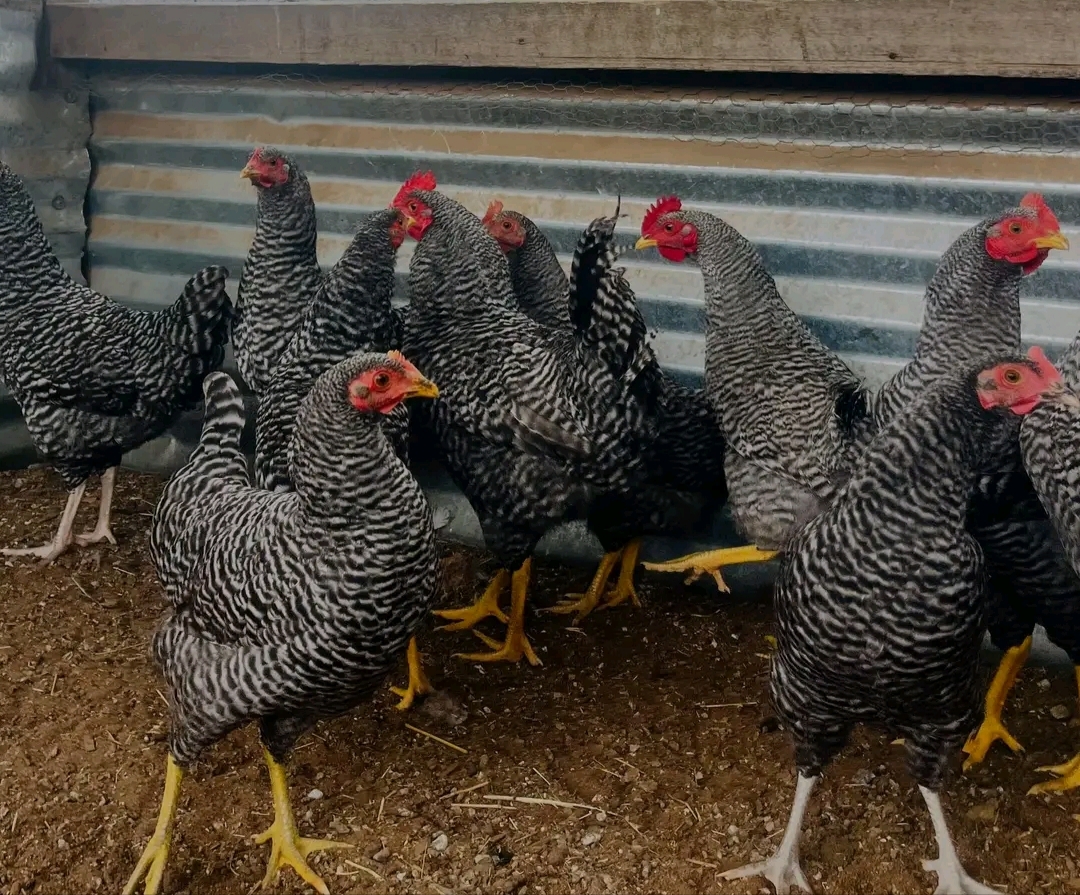
In partnership with ButterNice Farms, Khuba Traders will give away Makhaya chicken starter packs containing 10 chicks, chicken starter feed, chicken grower feed, a feeder and a drinker.
For a prospective poultry farmer, the package removes some of the immediate costs of getting started.
But the more important ingredient may be knowledge.
A farmer who receives 10 chicks without understanding feeding, housing, brooding, vaccination, mortality control and marketing could quickly lose the investment. Combining starter inputs with practical farmer education therefore gives beneficiaries a better foundation from which to build.
The Ministry’s indigenous chicken production guidance emphasises appropriate housing, chick management, supplementary feeding and disease prevention, including vaccination against diseases such as Newcastle disease.
THE MARKET OPPORTUNITY
Indigenous chicken has characteristics that make it attractive to small farmers, but it should not be mistaken for easy money.
Unlike conventional broilers bred for rapid growth, Makhaya chickens generally take longer to reach market. That means farmers have to manage feed, mortality and other costs over a longer production cycle.
On the other hand, there is consumer demand for indigenous chicken, particularly among buyers who value its traditional taste and association with local food.
ButterNice has previously reported experiencing demand beyond its own production capacity, illustrating both sides of the commercial equation: the market opportunity exists, but somebody has to produce enough birds consistently to supply it.
That could create room for networks of smaller producers rather than relying only on a few large farms.
A farmer with 20, 50 or 100 birds who follows proper production standards and has an organised buyer could potentially participate in a wider supply chain. The challenge is coordinating production so that buyers can receive predictable volumes and quality.
KHUBA TAKES INPUTS AND ADVICE TO FARMERS
The event will not focus solely on poultry.
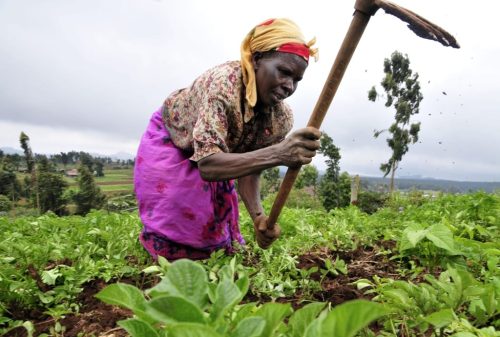
With the farming season underway, Khuba Traders will showcase farm implements and other agricultural products, while representatives will advise farmers on equipment and inputs they may require for the season.
That makes the timing important.
Farmers are currently making decisions about land preparation, planting and agricultural inputs. Bringing suppliers and agricultural knowledge into the community gives farmers an opportunity to ask questions before committing scarce resources.
YOUNG PEOPLE ALSO TARGETED
Khuba Traders is also using the Farmer’s Day to draw young people into agriculture.
Under its motto “Our Culture is Agriculture,” the company says it wants to make agriculture more attractive to the younger generation. Games and other activities will form part of the programme to create a less formal environment while keeping agriculture at the centre of the conversation.
That youth focus is important because agriculture’s future depends not only on increasing production, but on attracting another generation capable of treating farming as an enterprise.
Makhaya chicken could provide one entry point because production can begin on a relatively small scale before expanding as experience and markets grow.
FARMERS MUST FIRST FIND THE MARKET
The bigger lesson from the KaKholwane initiative is that indigenous chicken commercialisation must go beyond distributing chicks.
Farmers need technical knowledge, access to inputs, disease management, records and, critically, buyers.
A farmer considering entering Makhaya chicken production should therefore establish who will buy the birds, what size and quality the market requires, how long production will take and what it will cost to produce each marketable chicken.
The Farmer’s Day provides a starting point for that conversation.
For Khuba Traders and ButterNice, the proposition is straightforward: take a bird that has been part of Eswatini homesteads for generations, add better production practices and business discipline, and Makhaya chicken can become more than food for the family. It can become a farming enterprise.
For enquiries about the Farmer’s Day, farmers can contact Mbongiseni Khumalo on 7607 9875.