BY: PHESHEYA KUNENE| EDITOR
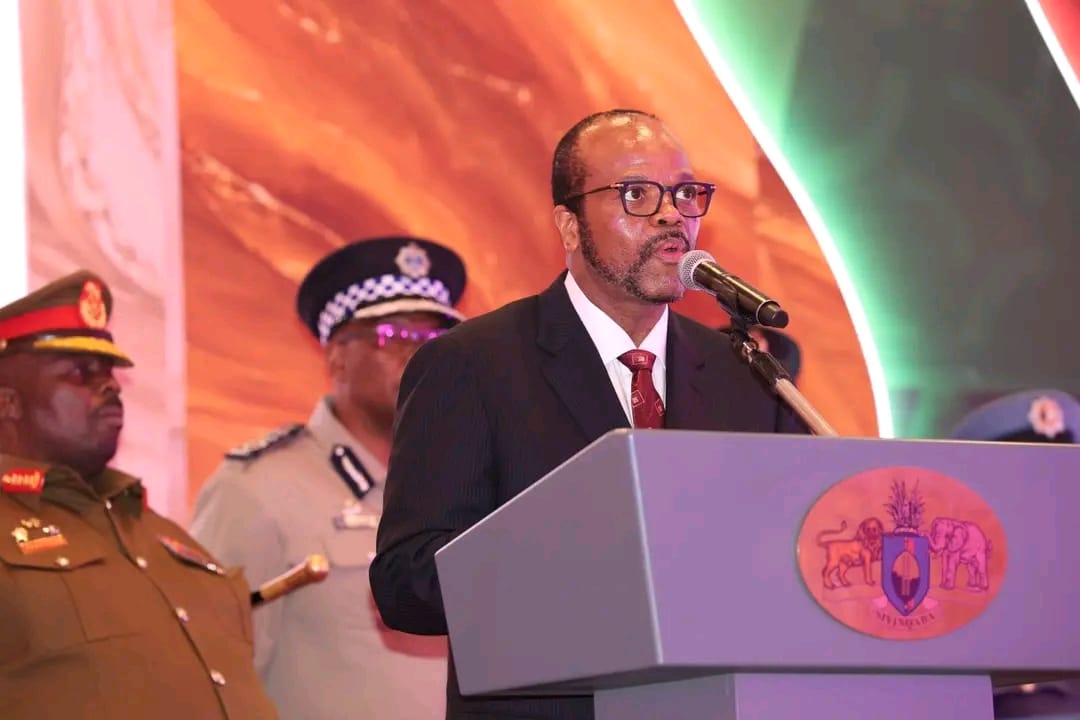
EZULWINI — Africa should stop approaching food security as though every country must produce everything it consumes and instead build a continental agricultural system around what individual countries and regions can produce best.
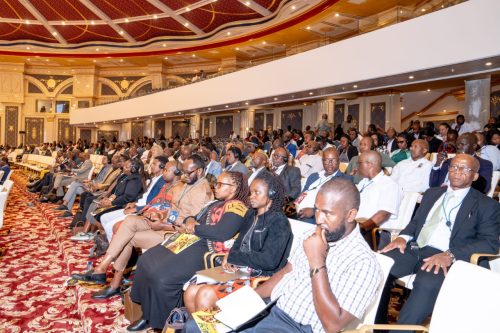
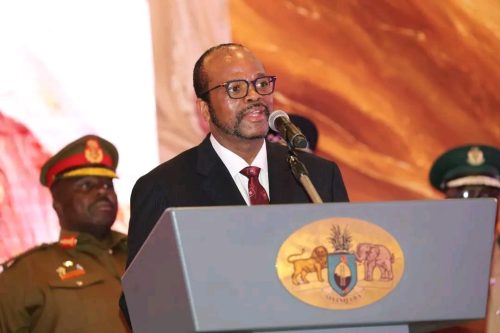
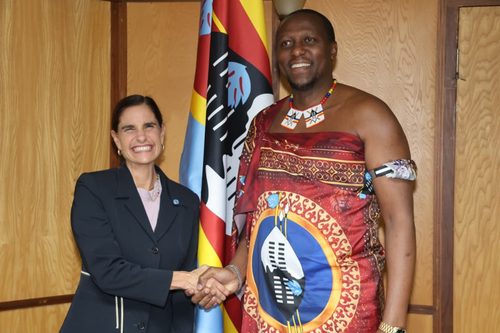
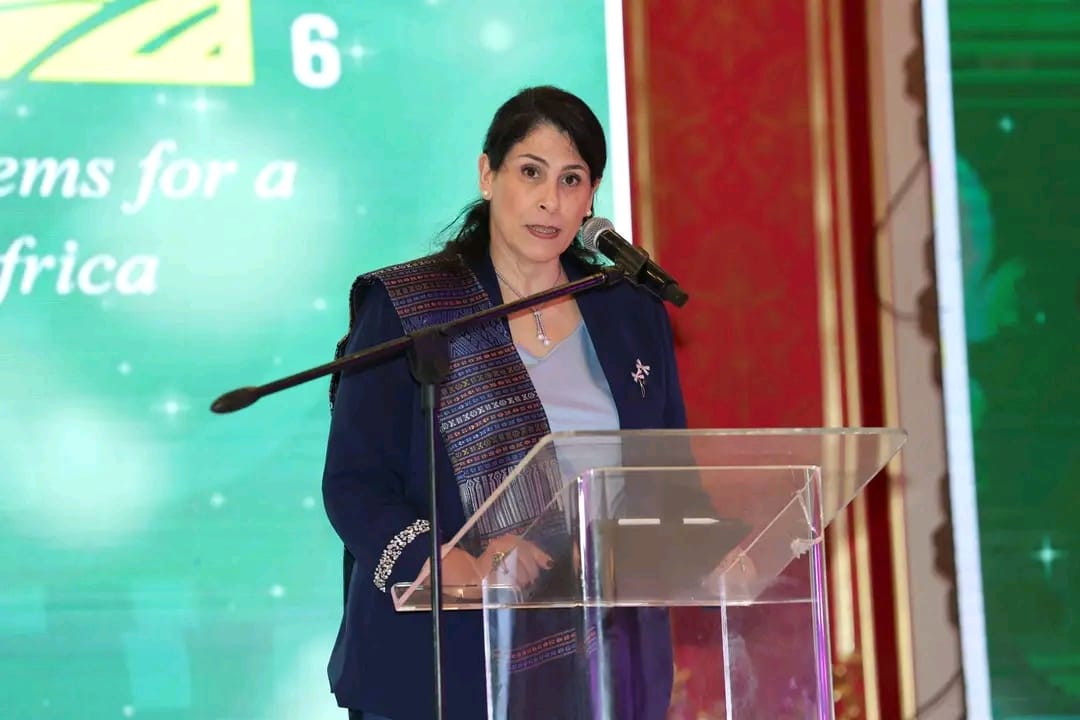
That was one of the strongest propositions put forward by His Majesty King Mswati III as he officially opened the inaugural Africa Seed Summit in Ezulwini.
His argument connects seed to something much bigger: soil, water, specialisation, storage, transport and trade.
“Each nation must maximize the crops for which it is best suited and where one country shows particular strength, the other member states must support it,” the King said.
Local reporting of the address confirms that His Majesty called for country-by-country assessment of agricultural capability, including soil testing, before production is scaled according to comparative strengths.
WATER BEFORE HARVEST
Producing more will require reliable water.
The King called for greater investment in dams and irrigation and argued that Africa should examine how its substantial rivers and lakes could support a more coordinated agricultural production system.
The logic is difficult to escape. A climate-resilient seed still requires enough moisture to germinate and produce a commercial crop.
The King also called for investment in plant genetic resources and the breeding of climate-resilient cultivars.
Eswatini, he said, is already upgrading its gene bank, multiplying seed and germplasm and training farmers in seed production, although he acknowledged that substantially more work is required before the country reaches its desired seed-production capacity.
PRODUCE, STORE, MOVE
Greater production is only useful if the crop can reach a buyer.
His Majesty linked regional agricultural specialisation to the African Continental Free Trade Area, arguing that stronger air, rail and shipping networks would be needed to move agricultural goods between African markets.
That changes the food-security equation.
A country with suitable conditions for a particular crop could produce beyond its domestic requirements. Surplus production could then feed regional markets rather than every country attempting to become self-sufficient in every commodity.
SEED NEEDS CAPITAL
The King also made a direct pitch for investment.
“A robust and sustainable supply of viable, high-yielding and affordable seed plays a pivotal role in agricultural development and it will not materialise without investment,” he said.
He called on governments to provide stable policies, harmonised regulations and predictable investment environments, while inviting private investors and development partners to bring capital, technology and skills into the seed industry.
The opportunity extends to young agripreneurs.
“A young person who produces, processes or trades in quality seed is not looking for work; that young person is creating it,” the King said.
For farmers, the proposition coming from Ezulwini is therefore larger than buying better seed.
Find what grows best. Improve the genetics. Secure the water. Produce competitively. Store properly. Connect to markets. Then trade the surplus.
That is a food-security strategy built around production rather than promises.