BY: PHESHEYA KUNENE | EDITOR
EZULWINI — Africa’s drive for better commercial seed is confronting another agricultural reality: much of the continent’s seed never comes from a seed company.
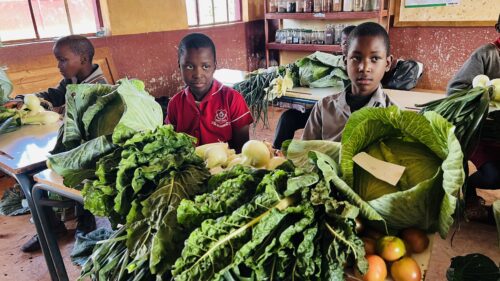
It comes from farmers.
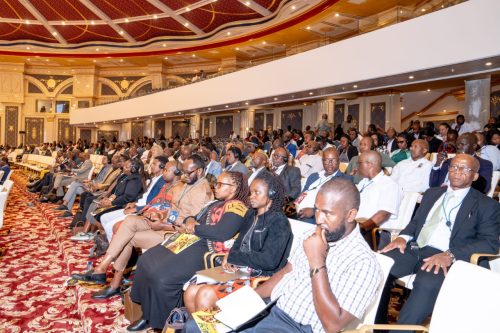
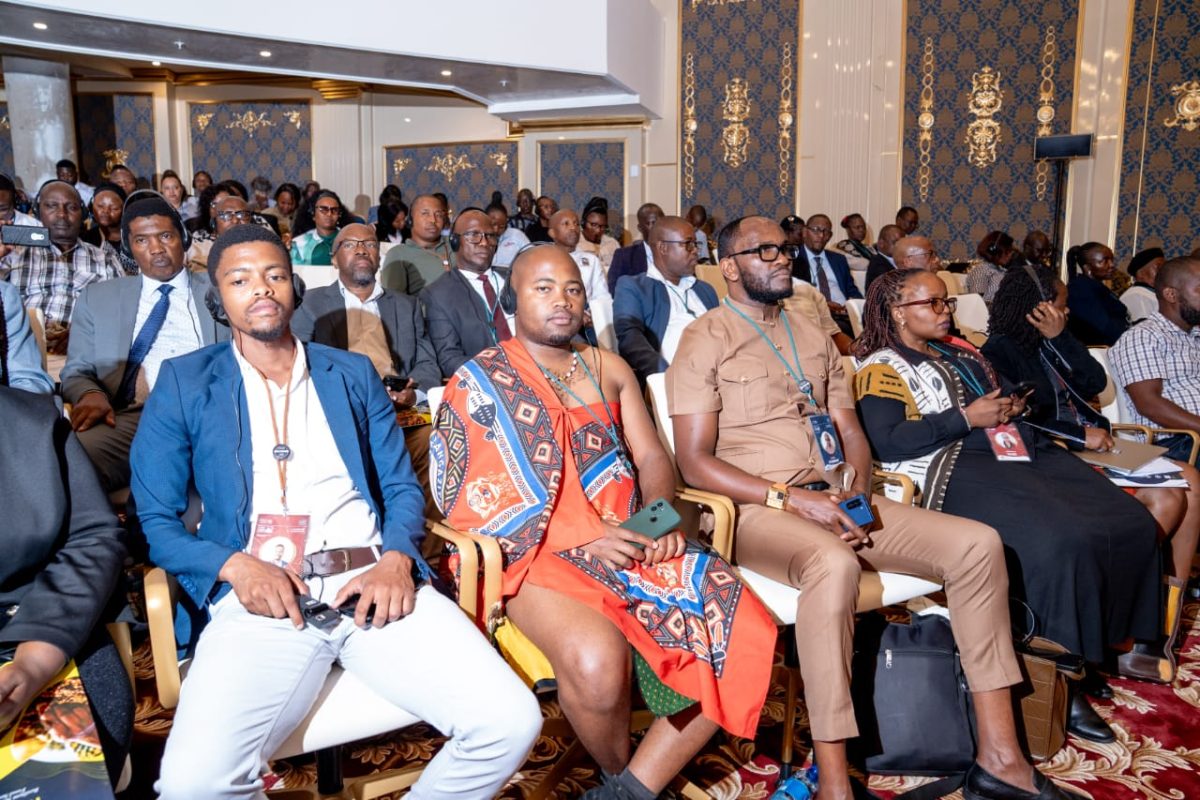
The inaugural Africa Seed Summit has therefore brought Farmer Managed Seed Systems (FMSS) into the continental discussion alongside commercial seed production, biotechnology, research and investment.
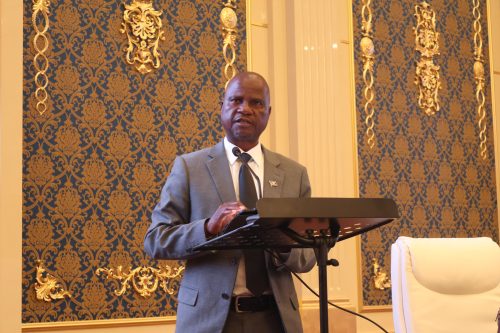
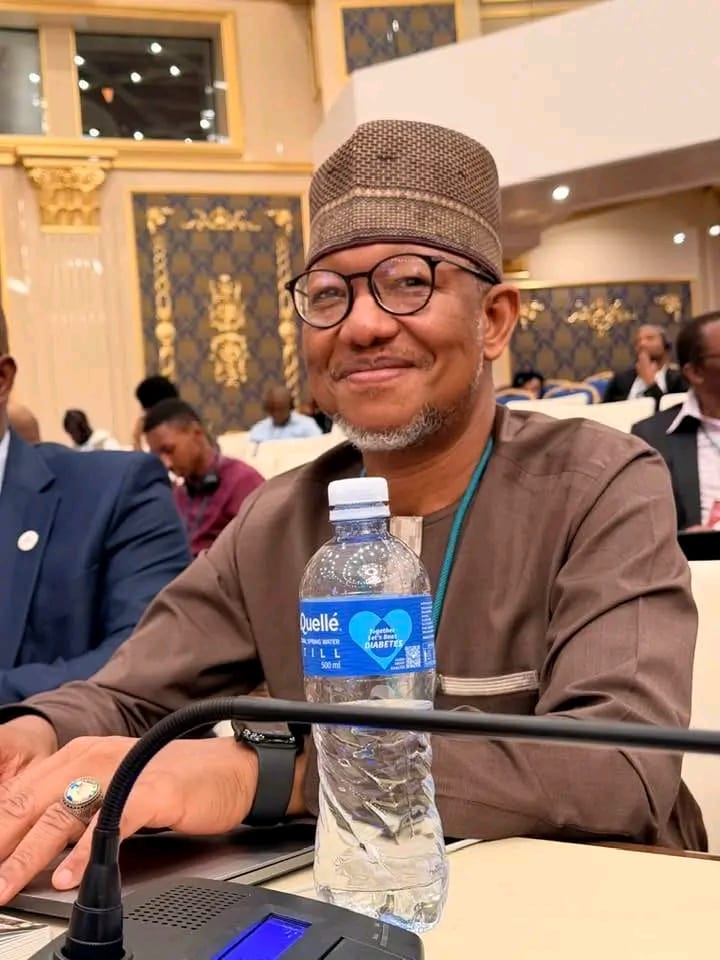
PELUM Association Secretary General Hannington Owegi, speaking at the summit, called for stronger implementation of the African Union Farmer Managed Seed System Policy Framework and greater recognition of farmers as custodians of seed diversity.
The numbers explain why.
Research and policy studies estimate that farmer-managed systems provide roughly 80–90% of seed planted by smallholder farmers in sub-Saharan Africa, although estimates differ by country and methodology.
NOT FORMAL VERSUS FARMER SEED
The emerging argument is not that commercial seed should replace farmer seed, or vice versa.
African Union Deputy Chairperson Ambassador Selma Malika Haddadi told the summit that formal and farmer-managed systems coexist and that policy should seek synergies between them rather than replacing one with the other.
Formal systems are crucial for breeding, certification, multiplication and commercial distribution of improved varieties.
Farmer-managed systems perform a different but complementary function. Farmers select, save, exchange and adapt seed over generations, preserving varieties that may have limited commercial value but considerable importance for local diets, culture, biodiversity and resilience.
That diversity could become increasingly valuable under climate change.
AFRICA’S GENETIC INSURANCE
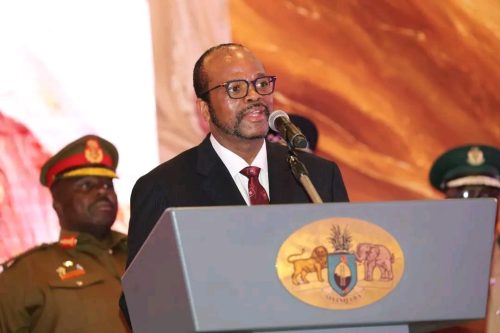
AU Commissioner for Agriculture, Rural Development, Blue Economy and Sustainable Environment Moses Vilakati used the summit to advance a proposal for an African continental seed and genetic-resources bank linked to stronger regional and national gene banks.
The proposed network would conserve and document indigenous crops, traditional farmer varieties and wild relatives of cultivated species that could provide genetic material for future climate and disease-resistant crops.
For farmers, this is not merely conservation for conservation’s sake.
Today’s overlooked local variety could contain traits breeders need tomorrow to confront heat, drought, pests or disease.
FARMERS NEED A SEAT AT THE TABLE
PELUM’s summit discussions also highlighted community and household seed banks and the importance of ensuring that farmers, particularly women, participate in decisions governing seed.
Evidence reviewed ahead of the summit suggests farmer-managed systems receive a very small share of agricultural innovation investment despite their dominant role in supplying smallholders with seed. An Oxfam policy brief prepared for the summit estimates they provide 80–90% of planted seed while receiving less than 0.5% of agricultural-innovation investment.
That imbalance is now part of the policy debate.
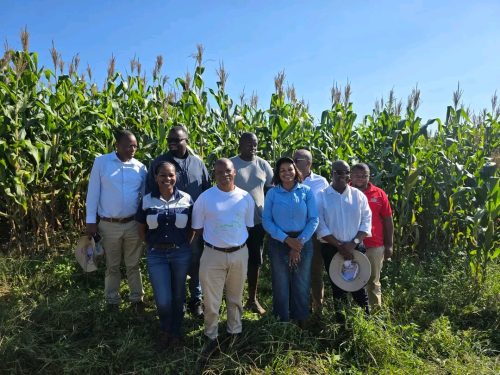
Africa certainly needs investment in improved varieties, professional seed enterprises and modern breeding. But resilience also means protecting the agricultural diversity already sitting in farmers’ fields, homesteads and community seed banks.
The lesson from Ezulwini is therefore not complicated.
Give farmers access to better commercial seed where it improves production. But do not lose the locally adapted seed, knowledge and genetic diversity they already possess while doing it.
Africa may need tomorrow’s seed technology.
It also needs to protect yesterday’s seed inheritance.