

BY: SBU MNGADI | EDITOR-IN-CHIEF
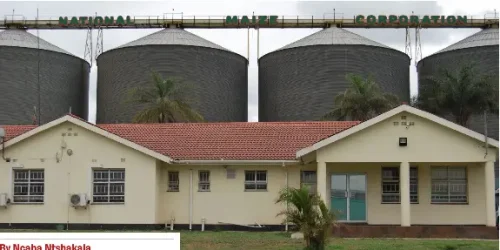
Farmers still drying and delivering their crop now face longer trips to a single intake point in Matsapha, as the National Maize Corporation winds down three regional depots at a time of high diesel prices.
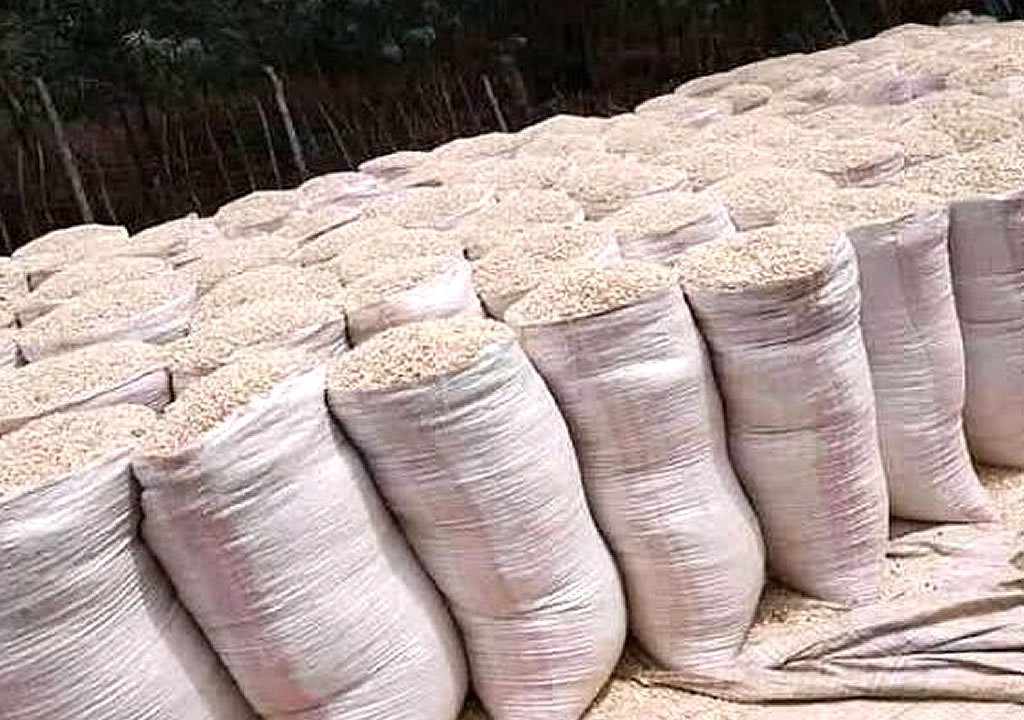
MATSAPHA – Maize farmers in the Shiselweni, Hhohho and Manzini regions will have to deliver their grain to Matsapha from next week, after the National Maize Corporation (NMC) announced that its regional depots at Madulini, Ntfonjeni and Ngwemphisi will stop accepting maize at the close of business on Wednesday, 30 September 2026.
NMC notice, published on their Facebook page, says from 1 October 2026 maize deliveries will be accepted only at its main depot in Matsapha, “until further notice”. The Matsapha depot receives maize from 8am to 4pm. NMC advised farmers to contact their Farmer Development Officers for help with deliveries.
The notice did not explain the decision. Agribusiness Media asked NMC Communications Manager Lungelo Nkambule for the reasons behind the closure. She had not responded by the time of publishing.
Farmers were alerted, but not told why

Eswatini National Agricultural Union (ESNAU) CEO Tammy Dlamini said he had spoken to farmers in the affected areas. They told him NMC had informed them of the change.
“We would obviously prefer to have these decentralised services as a permanent feature. However, we do not know why this practice is in place. It is something that we will discuss with them,” Dlamini said.
He said the main burden would fall on farmers who have not finished drying and delivering their maize.
“For farmers who are not done with their drying and deliveries, it would of course mean added costs to deliver to Matsapha,” he said.
How NMC’s depot network works
NMC reports annual turnover of about E240 million and says it supports more than 4,000 farmers. NMC runs five regional depots with a combined capacity of 23,500 tonnes:
- Matsapha (Manzini): 20,000 tonnes
- Ntfonjeni (Hhohho): 1,400 tonnes
- Ngwempisi (Manzini): 700 tonnes
- Madulini (Shiselweni): 700 tonnes
- KaLanga (Lubombo): 700 tonnes
Matsapha and Madulini are said to operate all year round while other depots open only from July to September, when most maize is received.
For the 2025/26 buying season, NMC announced that all regional depots would open from 1 July 2026, that its Matsapha head office would receive maize throughout the year, and that it would pay E6,000 per tonne of white maize. That works out to E300 for a 50kg bag.
Why the regional depots matter to farmers
The regional depots are the link between NMC’s farmer programmes and the market. Under its Contract Farming Programme, NMC offers maize growers with at least three hectares a guaranteed market, technical support, help accessing finance, and “transparent grading and offtake”. Farmers join through Farmer Development Officers or their nearest Rural Development Area (RDA).
Smaller growers are supported through the Input Subsidy Programme, which covers 50% of input costs on up to one hectare of white maize, sugar beans or sorghum. NMC also offers subsidised tractor hire.
Together, these programmes encourage farmers to grow maize and sell it to NMC. A depot close to home keeps that promise practical. Without one, each delivery costs more, and the extra cost eats into the E6,000 per tonne the farmer receives.
Smallholders feel this most. A farmer delivering a few tonnes usually hires transport, so the cost per tonne rises sharply with distance. Farmers who harvested late, or who are still drying grain to meet moisture standards, have little time left before the regional depots close.
Fuel prices add to the pressure
The closures come as farmers are already paying much more for fuel. At E28.85, diesel is about 45% more expensive than it was in March. Diesel powers the tractors, trucks and bakkies farmers depend on for ploughing, harvesting and hauling grain. Every extra kilometre to Matsapha now costs substantially more than it did at the start of the year.