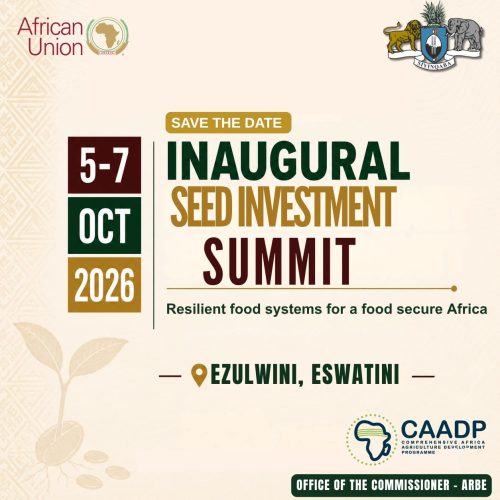

EZULWINI — Government will host Africa’s inaugural Seed Investment Summit next week whether or not the private sector comes to the table, after a second pledging session meant to help fund the E10.7 million hosting bill collapsed on Monday, 28 September 2026, when most invited companies failed to attend.
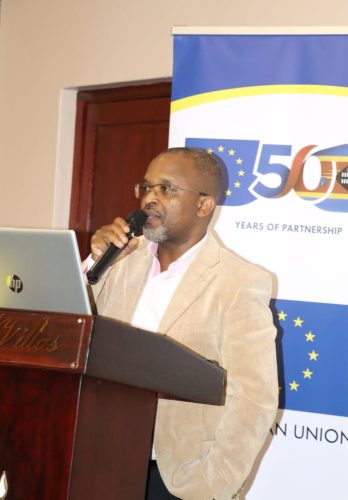
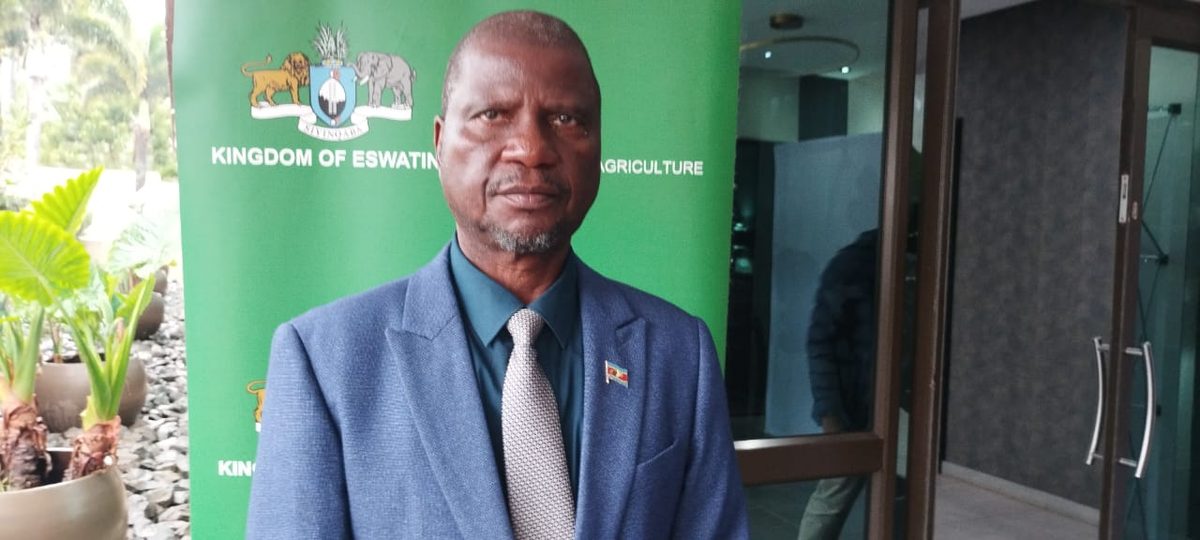
Minister of Agriculture Mandla Tshawuka said the summit, set for the International Convention Centre (ICC) in Ezulwini from 5 to 7 October, would not be postponed. Businesses, however, say they were given too little notice to secure internal approval for contributions.
Publicly declared pledges stand at about E357,000 — roughly 3.3% of the E10,703,200 budget — and more than nine-tenths of that is internet connectivity from State-owned EPTC.
SESSION CALLED OFF
Monday’s meeting, scheduled for 9am, was intended to give companies that needed more time a second opportunity to announce their commitments after the first pledging engagement.
About an hour after the scheduled start, Tshawuka told journalists the expected corporate turnout had not materialised. He said officials had considered cancelling the session and would have to find another way of receiving and presenting pledges.
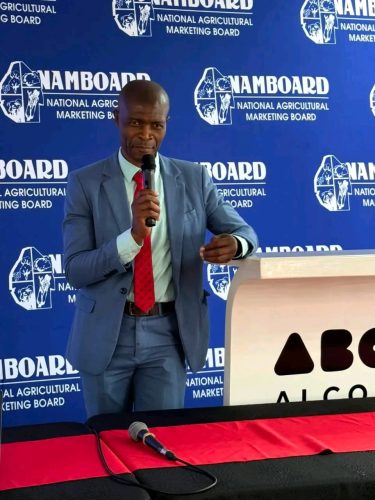
Journalists were then asked to leave while Ministry officials met the few stakeholders present. Those in the room were largely public institutions, including EPTC, NAMBoard, NMC and EADF. No bank responded to the Minister’s appeal, and no new public pledge was announced.
THE SUMMIT
The summit, organised by the African Union and the Government of Eswatini under the theme “Resilient Seed Systems for a Food Secure Africa”, is the first continental gathering dedicated to mobilising investment into Africa’s seed systems — from plant breeding to seed production and distribution. The meeting was commissioned by His Majesty King Mswati III.
Partners include the Centre for Coordination of Agricultural Research and Development for Southern Africa (CCARDESA), the African Union Development Agency (AUDA-NEPAD), the African Seed Trade Association (AFSTA) and the World Bank, through its Food Systems Resilience Programme (FSRP).
It is expected to bring African agriculture ministers, senior government officials, development partners, researchers, investors and seed-sector players to Ezulwini. The summit forms part of efforts to implement the AU’s Kampala Declaration under the Comprehensive Africa Agriculture Development Programme (CAADP), the continent’s agricultural agenda for the coming decade.
Unlike a conventional policy meeting, the summit has been positioned to secure financing commitments for seed systems rather than declarations alone.
“Everything in agriculture starts with seeds,” Tshawuka said at the first fundraising engagement.
For Eswatini, the stakes are domestic as well as continental. The country remains dependent on imported planting material in important segments of the seed market, particularly hybrid maize. Government says the summit offers a chance to learn from countries with more developed seed industries, improve seed quality and genetics, strengthen local production and widen access to varieties suited to changing climatic conditions.
That is the case Government has put to business: the companies being asked to help fund the summit are among those with the most to gain from a stronger local seed industry.
PRIVATE SECTOR
Business, however, says the request came too late. Tshawuka acknowledged that some companies had been approached late and had personally raised concerns with him about the timing and the internal processes they had to follow before committing money.
Several corporate representatives told Agribusiness Media that invitations arrived late and that early communication did not give enough detail about the support required. Companies then had to seek approval from executives, boards or other decision-making structures.
Government’s E10,703,200 estimate covers accommodation, transport, catering, connectivity, interpretation, security, accreditation, publicity and other logistics.
Fewer than six contributors were publicly identified at the first engagement. EPTC, speaking through its Chief Marketing Officer, Khulile Dlamini, committed internet connectivity worth about E331,000. Eswatini Agricultural Supplies (SAS) pledged E10,000, Nisela Farms E11,000 — E8,000 in cash and E3,000 in products — and Khuba Traders E5,000. SAS and Khuba Traders indicated their contributions could increase. An organisation providing sign-language services offered LED screens, with no value attached.
‘THE SUMMIT WILL GO AHEAD’
The Minister said private-sector mobilisation was meant to ease the burden on Government, not to make the summit dependent on sponsorship. If business fell short, Government would still meet its obligations as host.
Preparations have moved on to logistics for arriving international delegations, he said.
Tshawuka urged companies not to treat Monday’s session as the end of the drive, saying contributions could continue before, during and after the summit, particularly from firms still completing approval processes.
Until the Ministry publishes a consolidated statement of contributions, the share of the E10.7 million carried by business — and the balance left to Government — remains unknown.