
BY: PHESHEYA KUNENE | EDITOR
MANZINI — The local banana industry is strengthening its defences against Fusarium Wilt, a destructive disease that has not yet been detected in the country but could threaten an export trade estimated at more than E173 million a year.
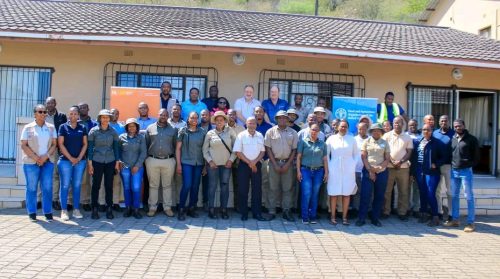
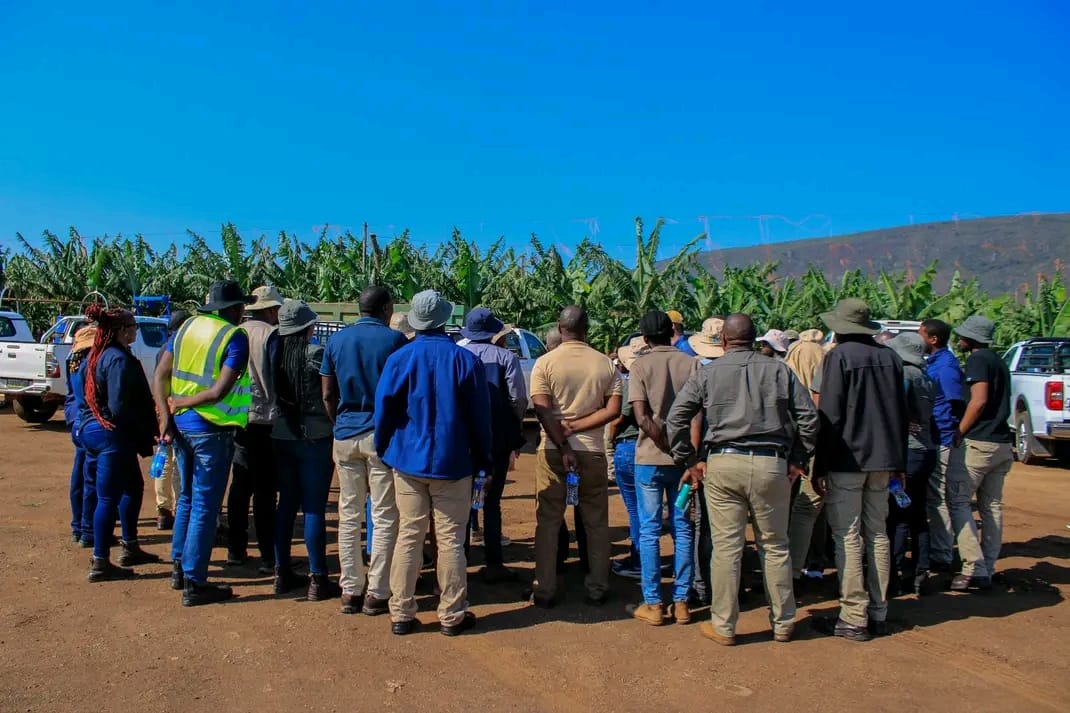
The government, working with the Food and Agriculture Organization of the United Nations (FAO), SADC Secretariat and European Union (EU), held a Banana Fusarium Wilt Biosecurity, Recognition and Management Training on 15 September 2026.
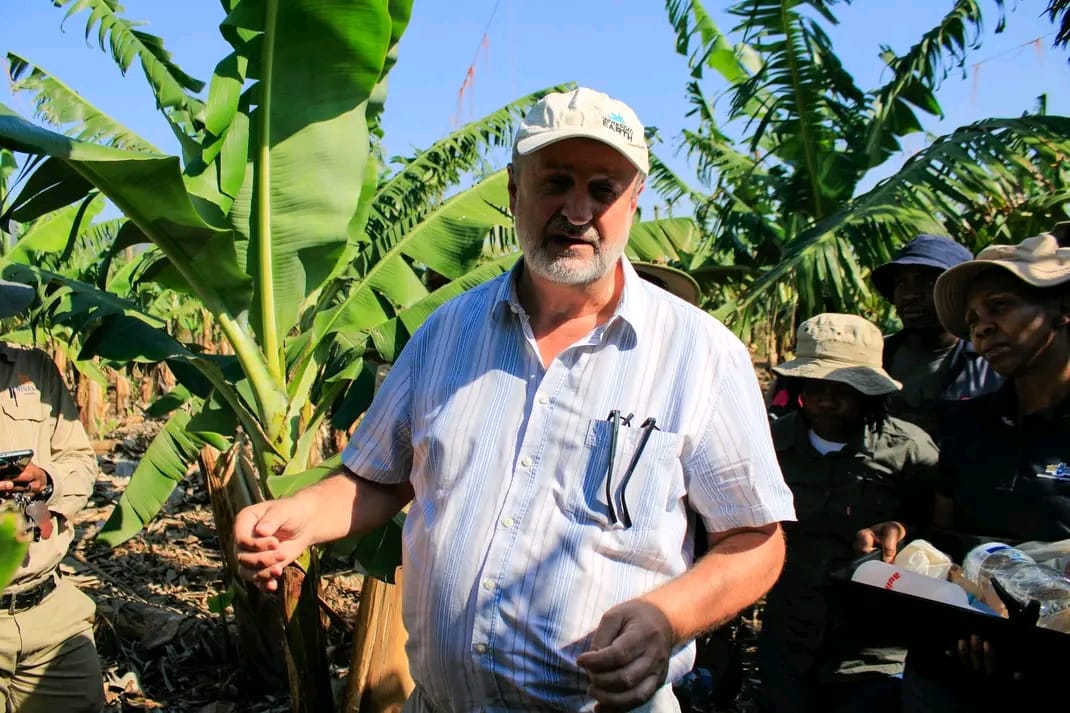
The training forms part of STOSAR II, an EU-supported regional programme aimed at strengthening implementation of the SADC Regional Agricultural Policy. It was supported by Prof. Altus Viljoen of Stellenbosch University, one of the project’s Centres of Excellence.
The aim is to strengthen the ability of plant health authorities and farmers to recognise the disease, conduct surveillance and respond quickly should it be detected.
AN INDUSTRY WORTH PROTECTING
Patrick Nzima of Eswatini’s National Plant Protection Organisation (NPPO) told the training that Eswatini is the third-largest producer and exporter of bananas in the SADC region, making the crop an important agricultural value chain.
EWADE, citing NAMBoard data, reported that the country exports about 40 367 tonnes of bananas annually, worth approximately E173.4 million, while importing about 693 tonnes valued at more than E1.8 million.
World Bank WITS data provides another measure of the industry’s scale. In 2023, Eswatini exported 39 444 tonnes of bananas and plantains worth about E147.2 million, using the current exchange rate for comparison. This was up from 33 024 tonnes worth about E136.5 million in 2022. South Africa was overwhelmingly the main destination.
Imports were much smaller. In 2023, Eswatini imported about 1142 tonnes worth approximately E2.6 million, principally from Mozambique and South Africa.
The datasets cover different reporting periods, but the picture is clear: bananas are a substantial net agricultural export.
STOP THE DISEASE BEFORE IT ARRIVES
Fusarium Wilt has not been detected locally, according to information presented at the training. The intervention is therefore preventive, particularly as the disease has affected parts of neighbouring countries.
“Fusarium Wilt has affected some parts of our neighbouring countries, and it is important that the NPPO and smallholders are trained on the surveillance of this disease,” Viljoen said.
“The focus is on prevention measures to identify, detect and manage it early, to prevent the spread.”
The programme includes strengthening surveillance, laboratory identification using molecular techniques, farmer awareness and the development of national and regional control strategies.
Biosecurity is particularly important because Fusarium Wilt is a soil-borne disease. Preventing infected planting material and contaminated soil from spreading into production areas is therefore central to protecting plantations.
SMALLHOLDERS COULD DRIVE FURTHER GROWTH
The industry’s future is increasingly linked to irrigation development and greater smallholder participation.
Under LUSIP II, EWADE has invested more than E9.1 million in banana packhouse infrastructure intended to improve post-harvest handling, reduce losses and support domestic and export marketing.
That infrastructure provides room for growth, but increasing production will have to go together with stronger plant-health protection.
Farmers will need clean planting material, good soil and plant nutrition, effective biosecurity, proper post-harvest handling and compliance with export-market standards.
There is also a commercial vulnerability. South Africa dominates the export market. Maintaining that trade while developing additional regional markets could reduce dependence on a single destination.
For local farmers, the opportunity is significant: the country already exports far more bananas than it imports, while new infrastructure could support further production.
But expansion comes second to protection.
With an export trade worth more than E173 million annually, keeping Fusarium Wilt out may be one of the most important investments the banana industry can make.
The industry’s future depends not only on planting more bananas, but on protecting the plantations already producing them.